XL Stainless Steel Covered Litter Box for Big Cats
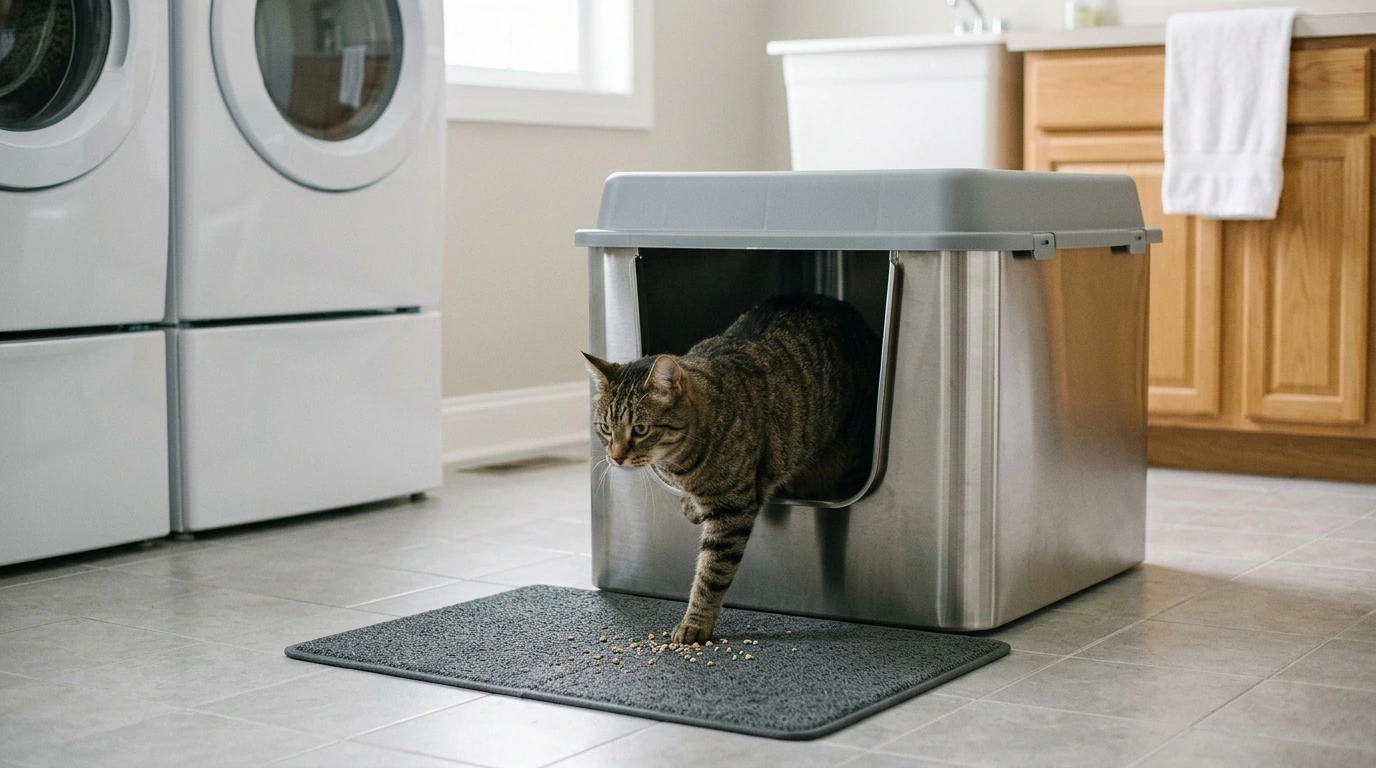
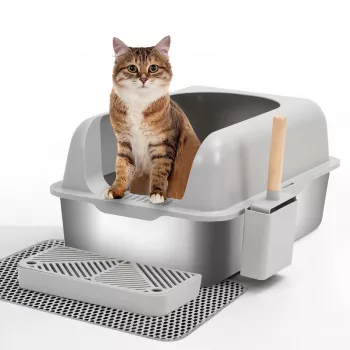
XL Enclosed Stainless Steel Cat Litter Box with High Walls & Lid for Big Cats
A roomy, covered litter setup can reduce tracking, contain spray, and make daily cleanup faster—especially for larger cats or multi-cat homes. An enclosed stainless steel litter box combines a non-porous pan with higher containment, which can be a practical upgrade if odors linger in plastic boxes or if litter scatter is a daily frustration. Below is a clear breakdown of what this style does best, what to measure before ordering, and how to keep an enclosed box feeling fresh and cat-friendly.
Why stainless steel changes day-to-day cleanup
Stainless steel earns its reputation in litter boxes for one main reason: it stays cleaner-feeling over time. Unlike many plastic pans, steel is non-porous, so it’s less likely to hold onto odors after repeated use.
- Resists absorbing smells compared with plastic pans that can trap odor after scratching and repeated washing.
- A smoother surface helps reduce residue buildup, so wipe-downs and deep cleans take less effort.
- Holds up to frequent scooping and scrubbing without warping as easily as thin plastic trays.
- Often a better match for cats that seem sensitive to lingering box odors.
Enclosed design: privacy, mess control, and what to watch for
A lid can make a litter area look neater and can reduce scatter, but enclosed designs aren’t one-size-fits-all for every cat. Some cats relax with a little more privacy, while others dislike feeling boxed in.
- Covered boxes can help contain kicked litter and reduce visual clutter in living spaces.
- A lid can limit scatter when a cat exits quickly after digging.
- Some cats prefer privacy; others avoid enclosed spaces—introduce changes gradually.
- Ventilation and cleanliness matter: scoop regularly and replace litter on schedule so odors don’t get trapped.
If a cat hesitates, try placing the new box where the old one was and leaving the lid off for a few days. Once use is consistent, add the lid and keep the area extra clean during the transition. Guidance from veterinary and animal welfare organizations also emphasizes that litter box acceptance depends heavily on cleanliness and setup consistency (see AVMA litter box management and ASPCA behavior tips).
High walls for spray, digging, and energetic kickers
High walls are especially useful for big cats and for cats with “enthusiastic” bathroom habits. If a cat stands to pee, aims high, or digs hard when covering, taller sides can save nearby floors and walls from repeat cleanup.
- High sides help keep urine spray and loose litter inside the box—helpful for cats that stand to pee.
- Better containment can protect nearby walls and floors, especially when the box is placed in a corner.
- Works well for deep diggers that throw litter backward during covering.
- Balance containment with comfort: make sure the entry height still feels easy to step into.
Sizing for big cats: what to measure before ordering
“XL” should mean more than just a bigger footprint. For comfort and consistent use, a large cat needs enough internal length to turn around without brushing walls, plus adequate headroom if a lid is included.
- Measure cat length from nose to base of tail; many cats do best with a box around 1.5× that length.
- Confirm turning radius: the cat should enter, turn, and squat without pressing against the sides.
- In multi-cat homes, extra capacity can reduce crowding and help keep litter cleaner between scoops.
- Measure the placement area and make sure the lid clears shelves, counters, or door swings.
Quick fit checklist before buying
| What to check | How to measure | Good sign |
|---|---|---|
| Internal length | Compare to cat length (nose to base of tail) | Around 1.5× cat length for comfortable turns |
| Wall height | From base to top of side panel | High enough to contain spray/kicks without feeling cramped |
| Entry height | Floor to doorway/entry lip | Easy step-in without hopping or hesitation |
| Footprint | Measure the placement area | Leaves space to scoop and remove lid comfortably |
Stainless steel vs plastic litter boxes at a glance
If a plastic box has been in use for a while, tiny scratches can hold residue and contribute to stubborn smells. Stainless steel is typically more resistant to that kind of odor “memory,” though routine still matters.
Daily and weekly routine for a fresher enclosed box
For more behavior-focused tips—especially if a cat starts avoiding the box—resources like the Cornell Feline Health Center can be a helpful reference point.
Placement tips to reduce tracking and improve box use
Product highlight: XL enclosed stainless steel box with lid and high walls
Shop the XL enclosed stainless steel cat litter box with high walls and lid
More in-stock picks
- Automatic Quick-Open Camping Tent with Sun Protection & Spacious Cabin
- Women’s Color-Blocking Letter Embroidery Oversized Sweatshirt
- Women’s Sheepskin Mules
FAQ
Do cats like enclosed litter boxes?
Some cats prefer the privacy, while others feel confined and may avoid a covered box. Introduce the lid gradually and keep the box very clean; if avoidance or accidents start, switch back to a more open setup.
How often should an enclosed stainless steel litter box be cleaned?
Scoop at least once daily, and consider twice daily in multi-cat homes. Wipe the inner walls and lid edges weekly, and do a full wash with mild soap and water periodically based on litter type and how many cats use it.
Is stainless steel better for controlling litter box odor?
Stainless steel is non-porous and less likely to absorb odors than plastic that’s been scratched over time. Odor control still depends on frequent scooping, the right litter, and keeping the enclosed space from trapping stale air.











Leave a comment