Windowsill Styling Ideas for Every Aesthetic (Easy Formula)
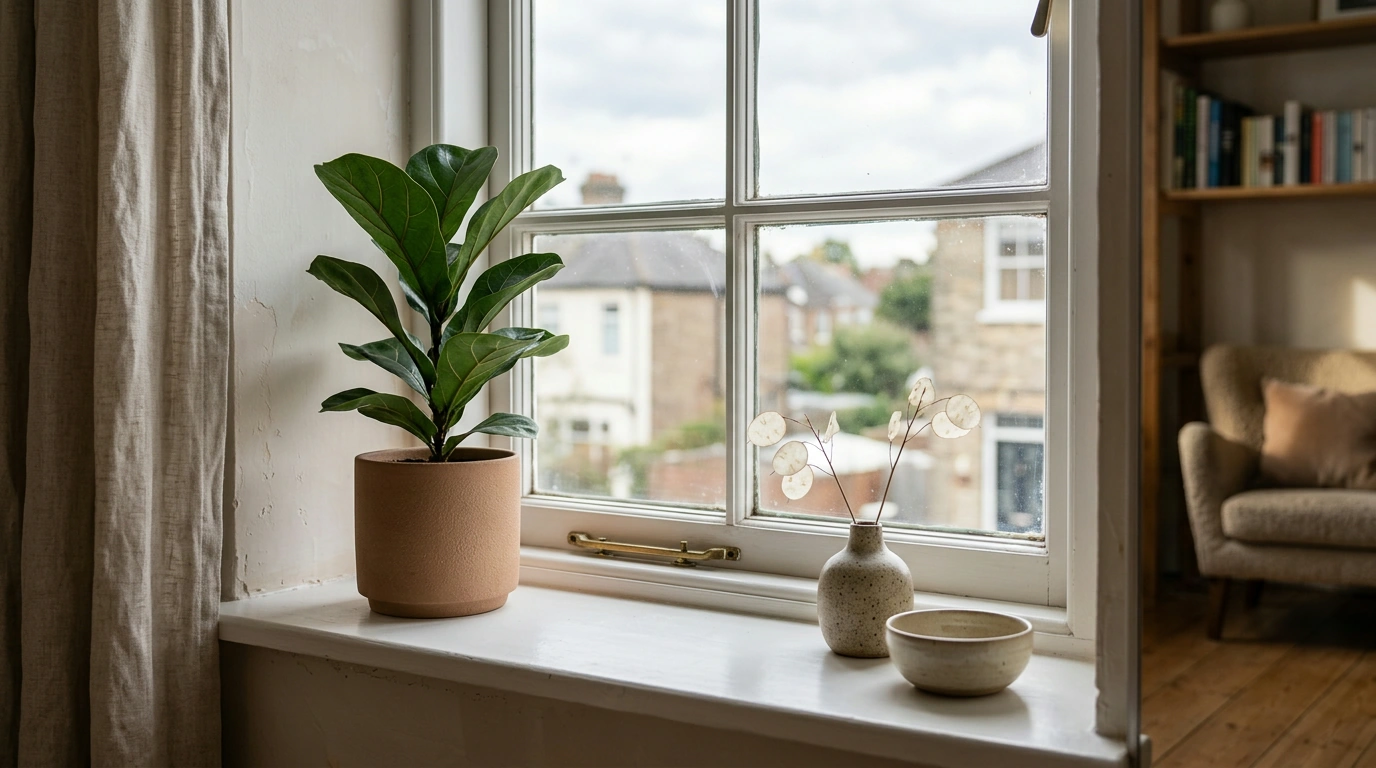
Transform Your Space with Style and Ease: How to Style a Windowsill for Every Aesthetic
A windowsill is a small surface with outsized impact: it frames natural light, draws the eye, and can instantly make a room feel intentional. The key is treating it like a mini “moment” rather than a catch-all—balancing height, texture, and function while respecting light, privacy, and daily routines. Our team uses a simple framework (anchor + layers + breathing room) so you can style quickly, keep it practical, and refresh it seasonally without starting over.
Start with the three windowsill checks
1) Measure what’s actually usable
Measure the depth and length you can use without risky overhang. If the sill is narrow, plan for fewer, taller items instead of lots of small pieces.
2) Identify the window’s job
Is it your main light source, a ventilation point you open daily, a plant zone, or a privacy-sensitive area? Decide a simple “no-clutter rule”: keep the center clear for opening/closing, or keep one end clear so you can reach the lock and blinds without moving decor.
3) Track light direction and intensity
Note whether the window faces north, south, east, or west. Intense direct sun can scorch leaves, fade fabrics and photos, and even warp wood over time. If you want deeper plant guidance, the Royal Horticultural Society houseplant resources are a reliable baseline for placement and care.
The simple styling formula: anchor + layers + breathing room
Anchor: pick one “hero”
Choose one focal point—a plant, lamp, vase, or framed print—so the sill reads as designed instead of randomly collected.
Layers: add 2–4 supporting pieces
Build around the anchor with a few items in varied heights (short/medium/tall). This is where a candle, small bowl, stacked books, or a petite sculpture can add personality without taking over.
Breathing room: protect negative space
Leave intentional empty space so the sill looks curated, not crowded. In small rooms, negative space is what makes even simple decor feel elevated.
Choose one organizing principle
To keep everything cohesive, commit to one rule: a tight color palette, a repeating material (ceramic, wood, glass), or a repeated shape (rounds, rectangles, cylinders). If the sill doubles as a drop zone (keys, hand cream), use a tray to keep functionality while preserving a clean look.
Choose a look: windowsill recipes for popular aesthetics
Minimal + airy
Try one sculptural vase, one small upright plant, and one neutral candle. Keep spacing generous and lines clean.
Modern + graphic
Use black/white contrast, one bold shape, and a single metallic accent. Skip lots of tiny objects—modern looks stronger with fewer, larger statements.
Cozy + warm
Layer amber glass, stacked books, and a warm-toned candle. Aim for tactile materials (linen nearby, soft matte ceramics) that feel inviting even when the light changes.
Boho + collected
Mix terracotta pots, woven texture, and a trailing plant. Keep the palette earthy and the layers intentional—two or three textures are plenty.
Vintage + romantic
Use a bud vase with simple stems, a petite framed print, and brass or antique-inspired accents. Avoid shiny plastic finishes so the look stays authentic.
Aesthetic cheat sheet (quick picks that always work)
| Aesthetic | Palette | Go-to pieces | Plant direction | Keep it easy by… |
|---|---|---|---|---|
| Minimal | White, sand, soft gray | 1 sculptural vase, 1 candle | One upright plant | Limiting to 3 items max |
| Modern | Black, white, one accent | Geometric object, slim frame | Structured leaves | Repeating one shape |
| Cozy | Warm neutrals, amber | Stacked books, warm glass | Soft, full foliage | Adding one textile element nearby |
| Boho | Terracotta, olive, cream | Woven, ceramic, wood | Trailing plant | Mixing 2–3 textures only |
| Vintage | Muted pastels, brass | Bud vase, small frame | Delicate stems | Using one “antique” metal tone |
Light, heat, and practicality: make the styling last
If you have a radiator beneath the window, heat can dry plants quickly; drafty windows can chill them. Choose tougher plants for those spots, or keep the sill decor-forward and move plants to a steadier microclimate. Good ventilation supports a healthier indoor environment overall—EPA guidance on indoor air basics is a helpful reference: U.S. EPA Indoor Air Quality.
Small-space tricks that look intentional (not overcrowded)
Seasonal refresh plan (fast swaps, same foundation)
How our Digital Home Styling Guide makes it easier
When you want a windowsill that looks balanced without overthinking, our team built a shortcut you can reuse across rooms: Transform Your Space with Style and Ease | Digital Home Styling Guide | How to Style a Windowsill for Every Aesthetic. Use it to pick a mood first (minimal, cozy, modern, boho, vintage), then follow a clear placement order—anchor, layers, breathing room—so every sill feels intentional and cohesive.
Common windowsill mistakes (and quick fixes)
Shop our in-stock picks (a few extras for a cozy styling day)
- Transform Your Space with Style and Ease | Digital Home Styling Guide | How to Style a Windowsill for Every Aesthetic
- Women’s Color-Blocking Letter Embroidery Oversized Sweatshirt
- Women’s Sheepskin Mules
FAQ
How do you style a windowsill without it looking cluttered?
Pick one anchor item, add 2–3 supporting pieces in varied heights, and leave at least 20–30% of the sill empty. Use a tray only when you need the sill to function as a daily drop zone.
What should you put on a windowsill that gets a lot of direct sunlight?
Choose sun-tolerant plants or decor that won’t fade easily, and avoid leaving books, photos, or candles in harsh direct sun. Rotate items periodically and protect the surface with pads or a tray if you’re watering plants.
How can a windowsill match different aesthetics in the same home?
Keep one consistent rule across rooms—like a repeating material, shape, or tight palette—then vary the accent color or plant type per room. Using the same anchor-and-layers formula helps every window feel related without looking identical.











Leave a comment