Toddler Jealousy: Gentle Scripts to Stop Envy Meltdowns
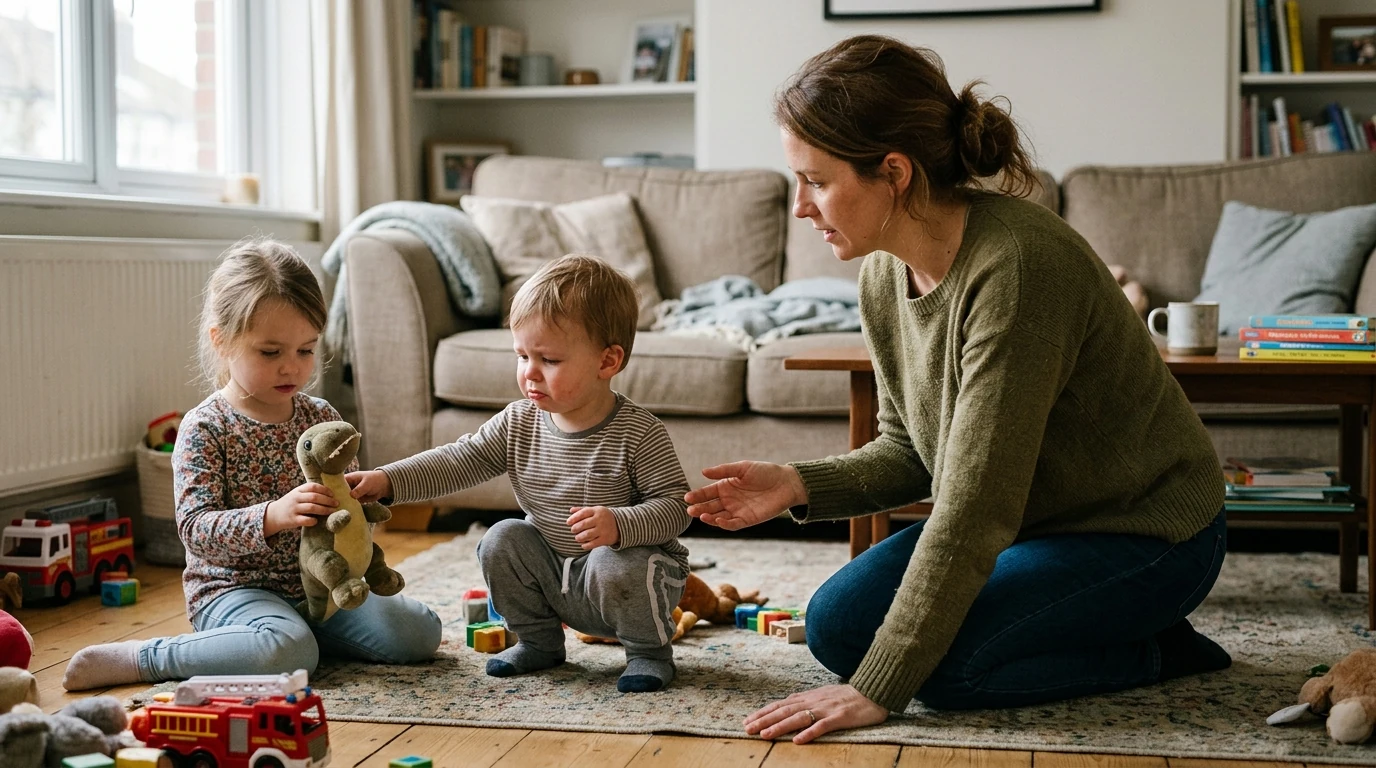
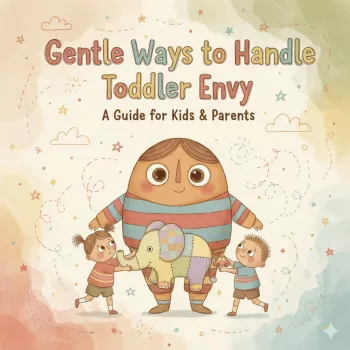
Gentle Ways to Handle Toddler Envy: Calm, Positive Tools for Jealous Moments
Toddler envy can show up as grabbing, hitting, shouting “mine,” or sudden meltdowns when attention shifts to a sibling, friend, or even a phone. These reactions are developmentally normal, but they can feel intense at home. A gentle approach focuses on safety, connection, and teaching skills—so toddlers learn what to do with big feelings instead of being punished for having them.
If you’d like a helpful refresher on typical toddler development and positive parenting basics, these resources are solid starting points: American Academy of Pediatrics (HealthyChildren.org), CDC Positive Parenting Tips, and ZERO TO THREE.
What Toddler Envy Looks Like (and What It’s Really About)
Envy and jealousy often spike when a toddler senses their place in the family or group might be “bumped.” Common triggers include new siblings, playdates, daycare drop-off, parents talking to another adult, or praise given to someone else.
Typical behaviors can look personal, even though they’re usually developmental:
- Possessiveness (“my mommy,” “my toy”)
- Clinginess or refusing to let a caregiver help someone else
- Sudden regression (baby talk, accidents, needing extra help)
- Aggression (hitting, pushing, grabbing)
- Whining, shouting, or attention-seeking antics
Under the behavior, toddlers are often asking for core needs: connection, predictability, a sense of belonging, and help naming feelings. Logic doesn’t land well yet because impulse control and emotional regulation are still developing—toddlers “borrow” calm from caregivers before they can create it consistently on their own.
Fast De-escalation: What to Do in the Moment
When jealousy explodes, the goal is to lower the intensity first, then teach. A few small actions can prevent the spiral.
1) Pause and regulate
Soften your voice, slow your breathing, and move closer. A calm, steady presence reduces escalation far more effectively than explaining or negotiating in the heat of the moment.
2) Safety first
Block hitting or grabbing with a gentle physical boundary. If needed, move objects or separate children briefly. Keeping everyone safe is the kindest thing you can do—especially when a toddler feels out of control.
3) Name the feeling and the wish
Try: “You wanted the toy. You wish it was your turn.” This helps your toddler feel understood without giving in to unsafe behavior.
4) Hold the limit without shaming
Use a clear boundary: “I won’t let you hit.” Then offer a safe outlet: “You can stomp or squeeze this pillow.” The message is: feelings are allowed; hurting isn’t.
5) Offer a simple choice
Two acceptable options can interrupt fight mode: “Do you want to hold my hand or stand next to me?” Choices work best when they’re small and immediate.
6) Re-connect quickly
A brief cuddle, a hand on the back, or sitting close can calm the fear underneath jealousy—especially when attention feels threatened.
Teach the Skill After the Storm: Turn Envy into Language and Practice
Once everyone is calm, that’s when learning sticks. Keep teaching short and repeatable.
- Use short feeling words during calm moments: jealous, mad, left out, worried, sad.
- Coach a replacement behavior: “Tap my arm and say ‘help’” instead of grabbing or screaming.
- Practice “waiting muscles” with micro-waits: 10–30 seconds while holding hands, then praise effort.
- Role-play with dolls or figures: act out sharing attention and practice kind scripts.
- Notice and label positives: “You waited while I hugged the baby—your body stayed safe.”
Quick Scripts for Jealous Moments
| Situation | What to say | What to do next |
|---|---|---|
| Toddler grabs a toy from another child | “You really want that. It’s hard to wait.” | Block grabbing, return toy, offer: “Ask: ‘turn please’” and set a short timer for turns |
| Toddler interrupts when attention is on a sibling | “You want me close. I’m here.” | Place hand on toddler, keep connection while finishing 10–20 seconds, then give a focused minute |
| Toddler hits when praised sibling | “You’re upset. I won’t let you hit.” | Move to safety, validate feeling, then name a choice: “Squeeze this ball or stomp feet” |
| Toddler says “You don’t love me!” | “You’re worried about my love. My love is always big enough.” | Offer a predictable connection ritual: hug + a special phrase + a brief one-on-one task |
Prevention that Actually Works: Routines, Attention, and Fairness vs. Equal
Jealousy gets louder when connection feels scarce. Prevention is often less about perfect rules and more about steady emotional “deposits.”
Sibling and Playdate Jealousy: Setting Up Success
When to Get Extra Support
A Gentle Resource for Calm, Positive Solutions
- Gentle Ways to Handle Toddler Envy | Parenting Ebook for Calm, Positive Solutions | Best Way to Handle Toddler Jealousy
- Women’s Color-Blocking Letter Embroidery Oversized Sweatshirt
- Women’s Sheepskin Mules
FAQ
Is toddler jealousy normal?
Yes—jealousy and envy are common in toddlerhood and often reflect attachment needs plus limited impulse control. Gentle responses that prioritize safety, connection, and skill-building tend to help more than punishment.
How can jealousy be handled without forcing sharing?
Focus on turn-taking and ownership language, using tools like timers and “first/then” phrasing. Coach simple requests (“turn please,” “help”) and keep boundaries calm and consistent.
What should be done when a toddler hits a sibling out of jealousy?
Immediately block the hit and state the limit: “I won’t let you hit,” then move to safety. Validate the feeling briefly, and later practice replacement behaviors and repair (check on sibling, practice gentle hands, offer an age-appropriate apology option).












Leave a comment