Swimming for Mental Health: Calm, Mood & Focus Checklist
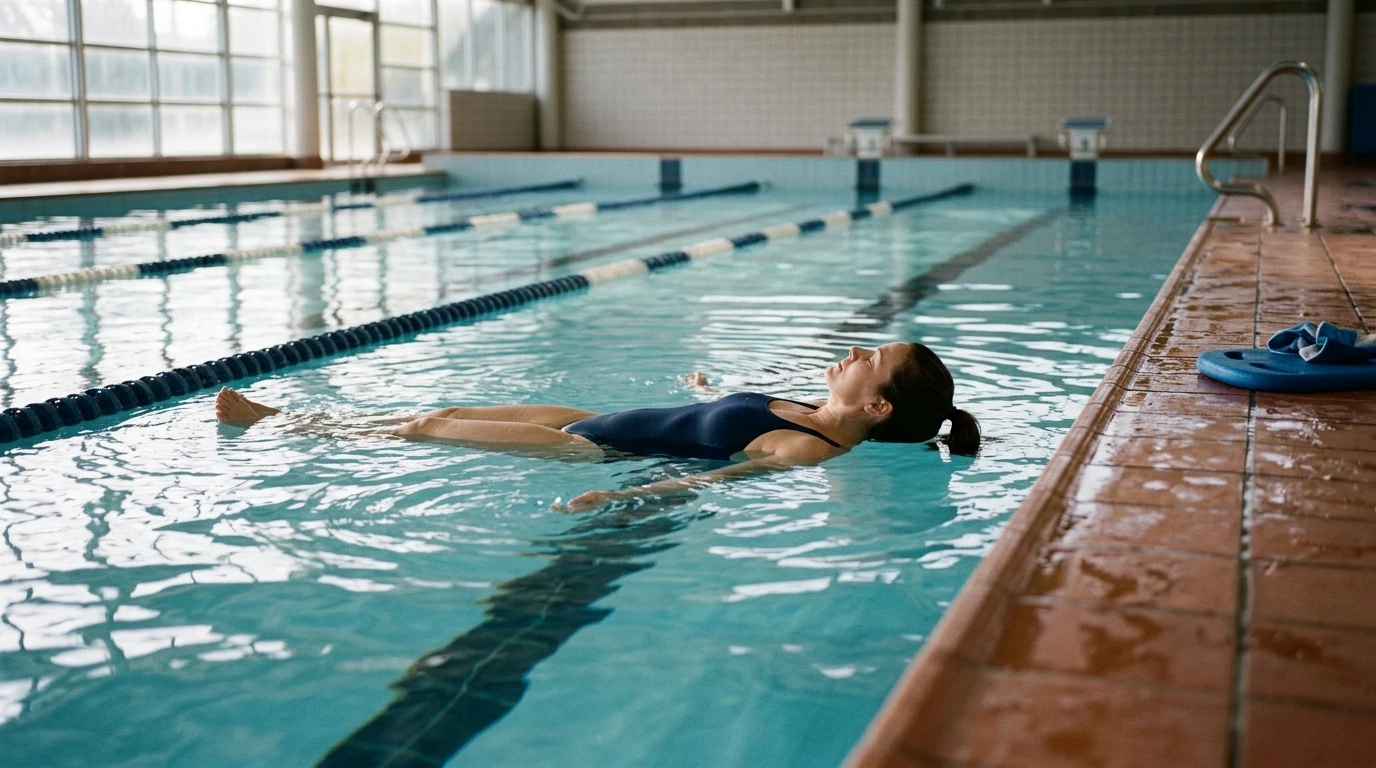
Swimming for Mental Health: A Wellness Checklist to Boost Mood, Reduce Anxiety, and Support Cognitive Function
Swimming pairs rhythmic movement, controlled breathing, and gentle full-body resistance in a way that can calm the nervous system while improving fitness. Use the checklist below to build a repeatable routine that supports mood, reduces anxiety, and reinforces attention, memory, and mental clarity—whether returning to the pool after a break or starting from zero.
Why swimming can feel mentally restorative
Plenty of workouts can lift your mood, but swimming has a unique “reset” quality for many people—partly because it blends movement, breath, and sensory simplicity.
- Steady aerobic effort supports stress resilience. Over time, consistent aerobic activity can improve sleep quality and help your body recover from daily stress more smoothly. The CDC summarizes broad mental and physical benefits of regular physical activity.
- Breath control can reduce physical anxiety symptoms. Exhaling into the water and returning to calm inhales encourages slower, more intentional breathing patterns.
- Low-impact buoyancy makes consistency easier. When motivation is low—or joints are cranky—swimming’s reduced impact can make “showing up” feel more doable than higher-impact options.
- Repetition creates single-task focus. Lap rhythm (stroke, breathe, glide) can quiet rumination and keep attention anchored in one place.
Your pre-swim mental wellness checklist (5 minutes)
Before you even get in the water, set up a session that feels manageable. The goal is a calm, repeatable routine—not a perfect workout.
| Item | Why it helps | Done |
|---|---|---|
| Intention (one word) | Keeps the session mentally focused and realistic | ☐ |
| Stress/mood/energy rating | Creates a simple progress log beyond pace and distance | ☐ |
| Minimum session plan | Prevents all-or-nothing thinking | ☐ |
| Hydration + warm layer | Reduces post-swim crash and irritability | ☐ |
| Safety + comfort check | Builds confidence and consistency | ☐ |
- Set a simple intention: choose one outcome (calm, energy, confidence, focus) rather than a performance goal.
- Check your baseline: rate stress (0–10), mood (0–10), and energy (0–10) to spot trends week to week.
- Plan the smallest win: decide the minimum session (example: 10 minutes easy + 2 minutes floating).
- Pack for calm: towel, water, goggles, and a warm layer for after; fewer hassles means better follow-through.
- Safety quick-check: confirm pool rules, lane etiquette, and whether a lifeguard is on duty.
Pool session structure for mood and anxiety (beginner to intermediate)
If anxiety is part of the picture, a predictable structure can make sessions feel safer. Keep intensity “conversational” and build time gradually.
1) Warm-up (5–10 minutes)
Easy swimming or water walking. Let your breathing stay smooth and unforced, even if your pace is slow.
2) Main set (10–25 minutes)
Alternate relaxed laps with short rests. Choose a pace where speaking a short sentence would be possible on land—effortful, but not frantic.
3) Breathing reset (2–5 minutes)
Pick one drill: exhale slowly into the water, then inhale calmly. Skip breath-holding “challenges”; the goal is steadier breathing, not tolerating discomfort.
4) Cool-down (3–8 minutes)
When anxiety spikes mid-session
Skills that support cognitive function while you swim
- Count strokes for a few lengths: it’s a light-focus task that trains attention without obsessing over speed.
- Use one technique cue at a time: “long neck,” “soft hands,” “quiet kick,” or “bubbles out” can anchor focus when your mind starts spiraling.
- Try pattern sets: 2 easy + 1 moderate, repeated 4 times. The structure adds variety and can strengthen mental flexibility.
- Practice interoception during rests: notice your heart rate settling and shoulders dropping. That body awareness is a practical skill for managing stress off-deck, too. The American Psychological Association discusses how the body responds to stress and why recovery habits matter.
A weekly plan that protects motivation and recovery
| Day | Session focus | Time target |
|---|---|---|
| Day 1 | Ease + rhythm (low intensity) | 20–30 min |
| Day 3 | Moderate intervals (short efforts, longer rest) | 25–40 min |
| Day 6 (optional) | Restorative swim (very easy, technique cues) | 15–30 min |
After-swim reset: lock in the mental benefits
When to scale back or seek extra support
- Stop and rest if dizziness, chest pain, unusual shortness of breath, or panic symptoms escalate; safety comes first.
- Consider professional support if anxiety or low mood is persistent, worsening, or interfering with daily functioning. Exercise can help, but it isn’t a standalone solution for everyone. The National Institute of Mental Health outlines practical mental-health care steps and when to reach out.
- If you’re returning after a long break, illness, or a major stress period: shorten sessions and rebuild gradually to protect confidence.
Shop tools that support a calmer routine
- Swimming for Mental Health: Your Wellness Checklist | Boost Mood, Reduce Anxiety, and Improve Cognitive Function
- Women’s Color-Blocking Letter Embroidery Oversized Sweatshirt (a warm, easy layer for the post-swim transition)
- Women’s Sheepskin Mules (cozy recovery footwear to stay warm after the pool)
FAQ
How long does it take for swimming to help mood and anxiety?
Some people feel calmer after a single session, especially when they keep the pace easy and focus on slow exhalations. More reliable changes usually come from consistent practice (often 2 times per week) over several weeks, alongside steady sleep and manageable stress load.
What if swimming makes anxiety worse at first?
Early sessions can feel activating due to breathlessness, crowded lanes, or sensory overload. Try shorter sets with more rest, choose a comfort stroke, swim during quieter hours, and end with a longer cool-down; if symptoms escalate or feel unmanageable, pause and seek professional support.
Is swimming better than other exercise for cognitive function?
Many aerobic activities support brain health, attention, and memory when done consistently. Swimming can be especially helpful for people who prefer low-impact movement and benefit from breath-and-rhythm focus—ultimately, the best option is the one you’ll do regularly.
















Leave a comment