Smart Water Monitor: Leak Detection + Auto Shutoff
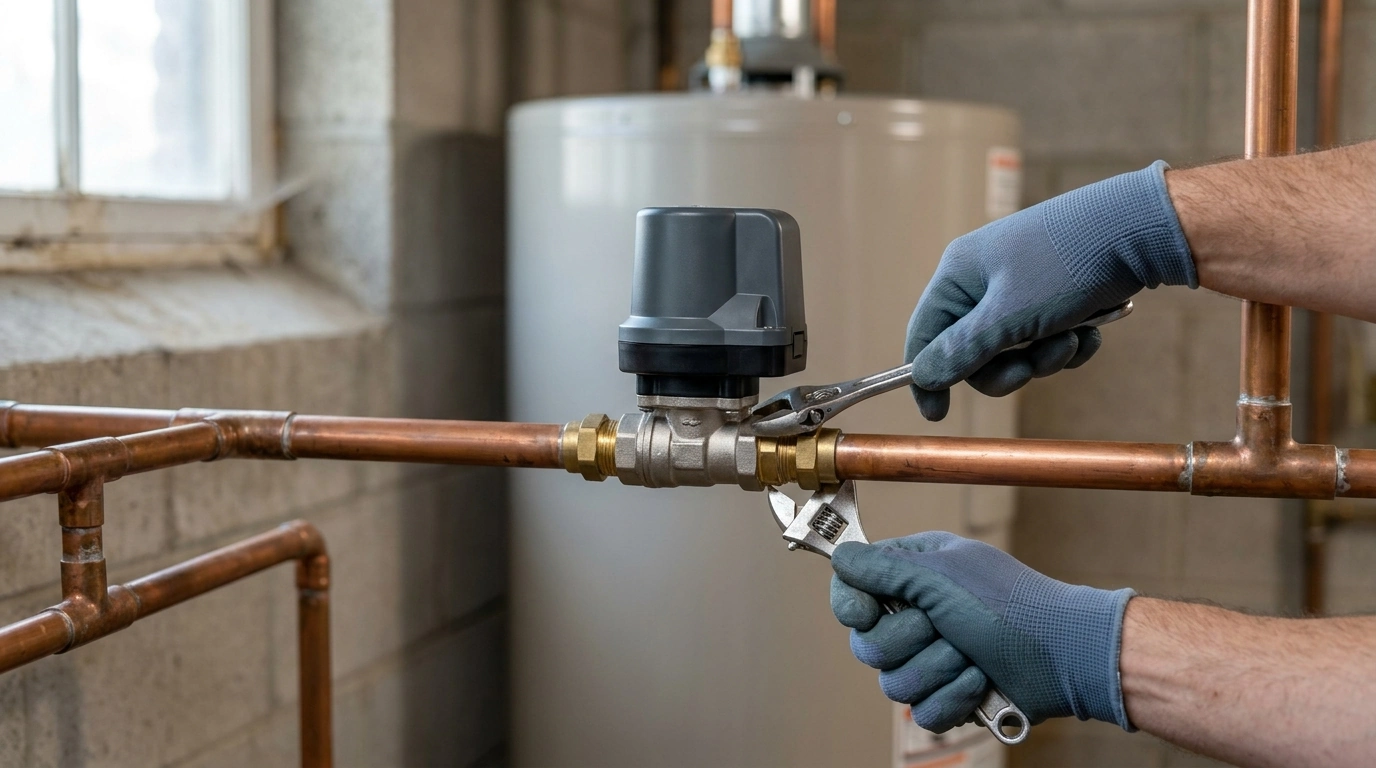
Smart Water Monitor with Leak Detection and Automatic Shutoff for 1-Inch and 3/4-Inch Pipes
Unexpected leaks can damage floors, walls, and valuables long before they’re noticed. A smart water monitor installed on the main line helps spot unusual flow, sends alerts, and can shut off water automatically to limit damage. This guide explains how these systems work, what to look for with 1-inch and 3/4-inch plumbing, and when automatic shutoff makes the biggest difference.
What a Smart Water Monitor Does (and What It Doesn’t)
A whole-home smart water monitor “listens” to what’s happening on your main supply line. Instead of waiting for a puddle, it watches the way water typically moves through your home and flags patterns that don’t match normal use.
- Tracks water flow patterns on the main line to identify abnormal usage that can indicate leaks or burst pipes
- Sends notifications when consumption spikes or continuous flow suggests a problem
- Triggers an automatic shutoff valve to stop water when a serious event is detected (depending on settings and device capabilities)
- Does not replace localized moisture sensors under sinks and near appliances; it complements them by monitoring whole-home usage
It’s best to think of a main-line monitor as “perimeter defense.” It can’t always pinpoint the exact fixture causing the issue, but it can reduce the time between a failure and your response—especially when paired with point sensors near higher-risk appliances.
Why Automatic Shutoff Matters for Whole-Home Protection
Alerts are useful, but water doesn’t wait for you to see a notification. Automatic shutoff is what turns monitoring into active protection by stopping water at the source when the system detects a high-risk event.
- Limits damage during high-flow events like ruptured hoses, failed washing machine supply lines, or burst pipes
- Reduces time-to-response when nobody is home by stopping water at the source
- Helps prevent slow, continuous leaks from running for hours or days when combined with continuous-flow detection
- Can support practical routines like shutting off water during vacations or while a property is unoccupied
Even if a leak starts small, the real cost often comes from how long it runs. Resources like EPA WaterSense guidance on finding and fixing leaks emphasize how common household leaks can be—and how quickly they add up. For homeowners thinking beyond utility bills, the Insurance Institute for Business & Home Safety (IBHS) water damage resources outlines why prevention and quick shutoff can reduce severity.
Pipe Size Fit: 1-Inch vs 3/4-Inch Main Lines
The most important compatibility detail is the pipe diameter at the exact location where the shutoff valve will be installed. Many homes use 3/4-inch mains, while larger homes, high-demand plumbing layouts, and some newer builds may use 1-inch.
- Confirm the diameter of the main supply pipe where the shutoff valve will be installed; many homes use 3/4-inch, while larger homes and some newer builds may use 1-inch
- Check for clearance around the existing shutoff and meter area; smart shutoff valves can require space for the actuator and wiring
- Verify plumbing material and connection type (threaded, compression, sweat/solder, etc.) to plan for professional installation if needed
- If the main line transitions between sizes, install at the section that matches the valve and provides the cleanest access
| Check | What to look for | Why it matters |
|---|---|---|
| Pipe diameter | 3/4-inch or 1-inch at the install point | Ensures compatibility with the shutoff valve body |
| Shutoff location | Near meter or main entry, accessible | Allows emergency access and reliable monitoring |
| Clearance | Room for valve and actuator | Prevents binding and simplifies service |
| Connection type | Threaded/sweat/compression | Determines tools, fittings, and installer needs |
Detection Methods: From Drips to Burst Pipes
Different failures leave different “signatures” on your main line. A well-configured system uses multiple detection approaches so it can catch both sudden disasters and quieter problems.
- Continuous-flow detection flags water running longer than normal (often a sign of a stuck toilet flapper or unnoticed fixture leak)
- High-flow detection responds to sudden surges that can indicate a burst line or major failure
- Custom thresholds help reduce false alarms in homes with irrigation, pools, or frequent high-demand usage
- Pairing whole-home monitoring with point sensors (laundry, water heater, under sinks) offers layered protection
If your home has predictable long-run usage (drip irrigation, livestock waterers, frequent baths, or long showers), tuning matters. The goal is to set rules that still catch “water that shouldn’t be running” without interrupting routines that are normal for your household.
Installation and Setup Considerations
Where This Smart Shutoff Fits Best
Product Options In Stock
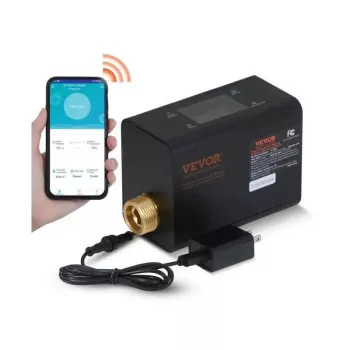
Smart Water Monitor with Leak Detection & Automatic Shutoff for 1-Inch & 3/4-Inch Pipes
Women’s Color-Blocking Letter Embroidery Oversized Sweatshirt
FAQ
Will a smart shutoff work with both 1-inch and 3/4-inch plumbing?
It will work if the valve matches the pipe diameter at the installation location (or if the correct adapters are used). This product is specified for both 1-inch and 3/4-inch pipes, so the key step is confirming your main line size where the valve will be installed.
Can automatic shutoff stop slow leaks like a running toilet?
Often, yes—through continuous-flow detection that flags water running longer than expected. You may need to adjust thresholds so normal long-use activities (like filling a tub or irrigation cycles) don’t trigger an unnecessary shutoff.
Is professional installation necessary?
Many installations involve cutting into the main line and making watertight connections, so a licensed plumber is recommended for most homes. This is especially true for soldered copper, tight meter/shutoff spaces, or any setup that requires reworking fittings.














Leave a comment