RGB USB Gaming Mic: Gain, Mute & Lighting Setup Guide
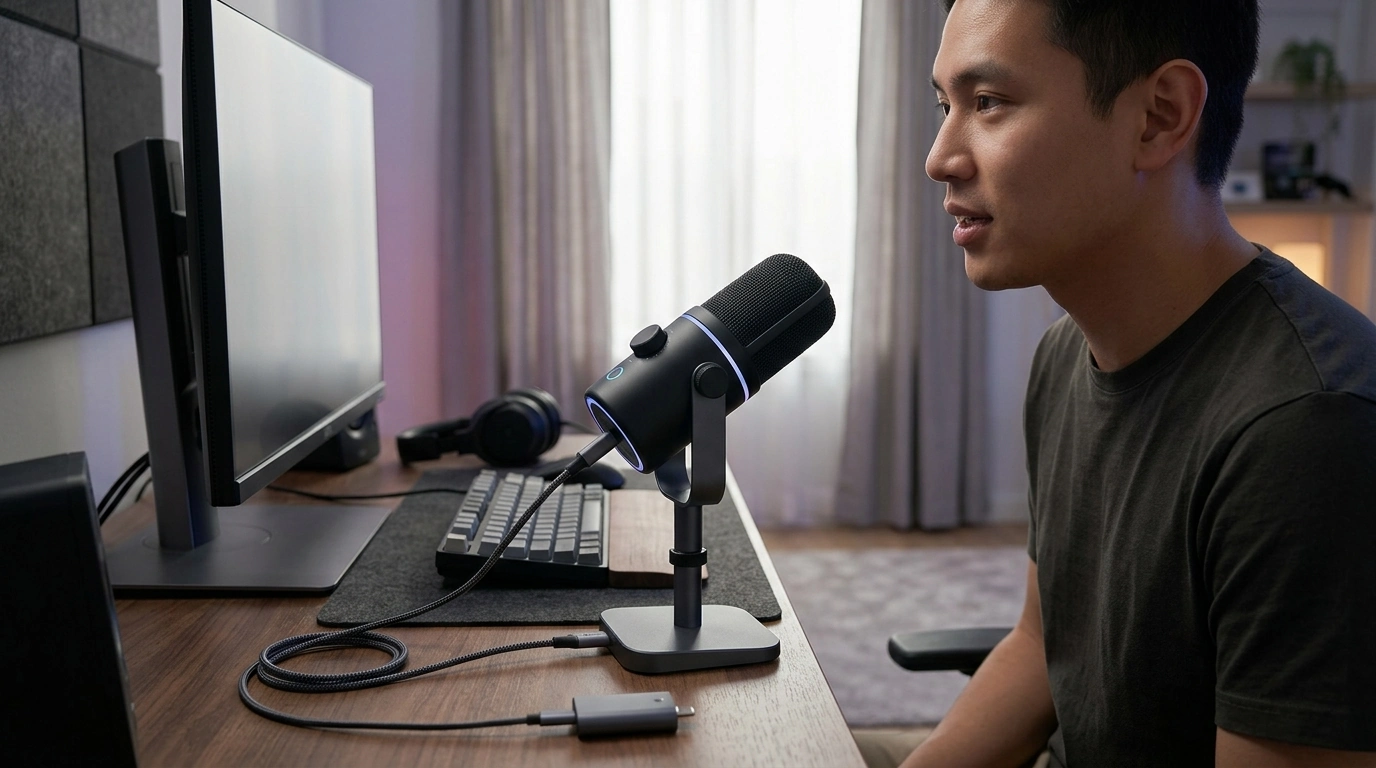
RGB USB Gaming Microphone with Mic Gain, Mute & Lighting for PC & Phone
A plug-and-play microphone can make voice chat, streaming, and calls sound clearer without a complicated audio setup. An RGB USB gaming microphone with mic gain control, a one-touch mute button, and built-in lighting is designed to keep the workflow simple: connect it, pick it as your input device, and fine-tune your level with a knob instead of digging through menus. Below is what this style of mic is built for, how the core controls work, and practical setup tips for both computers and phones. For more guidance, see [PDF] Yeti Manual.pdf.
What This Microphone Is Built For
This category of USB mic is meant to improve clarity and control in everyday voice situations where speed and consistency matter more than a complex studio chain. For further reading, see RGB USB Gaming Microphone with Real Time Monitoring and Mute ….
- Gaming voice chat and team comms with quick access to mute
- Streaming and content creation where consistent volume matters
- Video calls and online classes that benefit from closer, cleaner capture
- Mobile recording or chat when used with the right phone adapter/cable
Key Controls: Gain, Mute, and Lighting
Mic gain control
Gain adjusts how sensitive the microphone is to your voice (and everything else in the room). A practical target is a strong, readable level when speaking normally—without distortion when you laugh or get louder. If your audio sounds thin or distant, move the mic closer first, then add gain only as needed.
One-touch mute
A hardware mute button is a big quality-of-life feature during games, calls, and recordings. It’s ideal for “push-to-mute” moments like coughing, taking a sip of water, or handling a quick side conversation—without changing software settings or switching screens.
RGB lighting
RGB lighting is mostly about desk style and on-camera presentation, but it can also improve visibility around your setup. Depending on the design, lighting can act as a fast visual cue for mic status (for example, a different mode when muted).
Best practice workflow
Set a comfortable gain once, confirm you’re not clipping, and then rely on the mute button for quick silencing. Constantly changing gain mid-session often leads to inconsistent loudness for teammates or viewers.
Sound Quality Basics That Matter in Real Use
- Placement: Keep the mic close (about 6–10 inches) and slightly off-axis (aimed a bit to the side of your mouth) to reduce breath noise and plosives.
- Room noise: Softer furnishings—curtains, rugs, a couch—reduce echo more effectively than heavy “AI” filtering in many cases.
- Speaking technique: A steady distance and consistent voice level prevents volume swings that can sound like “pumping.”
- Monitoring and software: Watch input meters to avoid clipping. If you use noise suppression, keep it light so your voice doesn’t turn watery or robotic.
PC Setup (Windows/macOS): Fast Configuration Checklist
USB mics are straightforward on computers, but a quick checklist helps avoid the most common issues: picking the wrong input, setting levels too high, or letting automatic gain control overcorrect.
| Step | Where to set it | Goal |
|---|---|---|
| Select input device | System Sound settings | Ensure the mic is the active input |
| Set input level | System or app input slider | Clear voice without distortion |
| Test mute | Hardware button + app meter | Confirm the signal truly stops |
| Verify in target app | Discord/Zoom/OBS audio settings | Correct device and stable levels |
For troubleshooting within common apps, the official resources are often the fastest path to a fix, especially when device routing or permissions get in the way. See Discord’s Voice & Video troubleshooting for input and device checks, and the OBS Studio audio configuration documentation for streaming-level setup.
Phone Compatibility: What to Know Before Plugging In
Many modern phones can work with USB microphones, but they don’t all behave the same way with accessories. Before assuming the mic is defective, focus on the adapter, power, and whether the phone is actually switching input.
For Apple devices, the most reliable compatibility guidance is the official accessory support information at Apple Support.
Specifications at a Glance (What Each Feature Means)
| Feature | What it does | Why it matters |
|---|---|---|
| USB connection | Carries audio and power over one cable | Simple setup for PC and many mobile configurations |
| Mic gain control | Adjusts input sensitivity | Prevents whisper-quiet audio or distorted clipping |
| Mute button | Instantly stops mic signal | Fast control during games, calls, or recording |
| RGB lighting | Illuminates the mic body or base | Improves on-camera look and desk ambience |
Everyday Use Tips for Cleaner Voice
Product Options In Stock
- RGB USB Gaming Microphone with Mic Gain, Mute & Lighting for PC & Phone
- Women’s Color-Blocking Letter Embroidery Oversized Sweatshirt
- Women’s Sheepskin Mules
FAQ
Will a USB microphone work on a phone?
Many phones can use a USB microphone with the correct adapter (USB-C OTG or a Lightning accessory adapter). Compatibility and power delivery vary by phone model, and some setups may require a powered adapter or hub.
How should mic gain be set for gaming and calls?
Start around the middle, speak at a normal volume from about 6–10 inches away, and adjust until your loudest speech stays clear without clipping. Use the app’s input meter if available, and avoid aggressive automatic gain if it causes noticeable volume swings.
Why does the mute button not fully silence the mic in an app?
First confirm the app is using the correct input device and not a different microphone on the system. Also check OS microphone permissions and test in a second app to determine whether it’s an app routing issue rather than the hardware mute.













Leave a comment