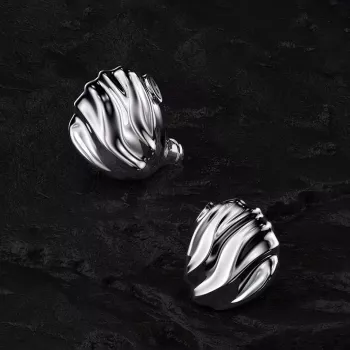
Quad-Driver Hybrid Planar IEMs: Planar + 3 Dynamics

Quad-Driver Hybrid Planar In-Ear Headphones with Triple Dynamic Architecture
A hybrid in-ear design combines different driver technologies to cover bass, mids, and treble with more control than a single-driver earphone. This quad-driver setup pairs a planar driver with three dynamic drivers to balance speed, impact, and detail for everyday listening, commuting, gaming, and casual mixing. If the crossover and tuning are done well, the payoff is a cleaner presentation during busy tracks without giving up the physical “kick” many listeners want. For more guidance, see planar | Headphone Reviews and Discussion – Head-Fi.org.
If you’re comparing formats and fit styles, the SoundGuys headphones buying guide is a helpful baseline for understanding how in-ears differ from on-ears and over-ears, and why seal matters so much. For further reading, see TRN Shell | Headphone Reviews and Discussion – Head-Fi.org.
What the Quad-Driver Hybrid Design Changes
In a quad-driver hybrid, four drivers share the workload so a single element isn’t forced to reproduce the entire frequency range. That division can reduce stress-related distortion and improve how clearly details “separate” from each other, especially when a track gets dense.
- Four drivers split duties so bass, mids, and treble can be handled by the most suitable driver type.
- The planar driver is typically prized for fast transient response and low distortion in the mid/upper ranges.
- Multiple dynamic drivers often focus on physical low-end slam and natural timbre for vocals and instruments.
- A crossover (electrical and/or acoustic) routes frequencies to the best drivers, aiming for cleaner separation.
Planar + Triple Dynamic: Who Does What
Planar magnetic drivers are known for speed—quick “start/stop” behavior that helps percussion hits sound crisp and keeps cymbals from smearing together. Dynamic drivers, by contrast, excel at moving air for weighty bass and a familiar, speaker-like body through the mids when tuned properly. For a plain-language overview of how planar drivers work, see Headphonesty’s explanation of planar magnetic headphones.
- Planar driver role: crisp attacks on percussion, clearer layering during busy passages, and smoother detail retrieval at moderate volume.
- Dynamic driver role: weightier sub-bass and mid-bass presence, plus a more familiar body to vocals and guitars.
- Hybrid tuning goal: keep bass impact without masking mids, while maintaining treble clarity without harshness.
- Best-case result: improved separation and headroom compared to many single-driver IEMs at similar pricing.
Driver types and typical strengths in a hybrid in-ear setup
| Driver type | Typical strength | What listeners usually notice |
|---|---|---|
| Planar magnetic | Fast transients, low distortion, controlled detail | Cleaner layering, less smearing on cymbals/strings |
| Dynamic (bass-focused) | Air movement and impact | Deeper rumble and punch you can feel |
| Dynamic (mid-focused) | Natural timbre and body | Fuller vocals, less “thinness” |
| Dynamic (treble/upper) | Sparkle and bite when tuned well | More perceived detail and air without pushing volume |
Sound Characteristics to Expect
Every hybrid is ultimately defined by its tuning, but a planar + triple dynamic layout is often chosen to make bass feel big while keeping transients tidy. The goal isn’t “more everything,” but better control: bass lines stay punchy instead of bloomy, vocals stay intelligible, and treble stays defined.
- Bass: typically stronger sub-bass presence with quicker recovery if the planar/dynamic handoff is well implemented.
- Mids: vocals can sit forward with better separation from bass notes; congestion is reduced during complex tracks.
- Treble: more edge definition and micro-detail potential; comfort depends on nozzle fit and treble tuning.
- Soundstage and imaging: in-ears won’t mimic open-back headphones, but hybrids can improve placement cues and separation.
- Volume behavior: planar drivers often sound composed at moderate levels; harshness is more likely from treble tuning than from the planar itself.
Fit, Seal, and Everyday Comfort
Fit is the “hidden spec” with in-ears. A perfect driver setup can still sound thin if the seal leaks, while a secure seal can make the same earphone sound deeper, cleaner, and more stable in imaging.
Pairing with Phones, Dongles, and Portable Players
Care and Longevity
Quad-Driver Hybrid Planar In-Ear Headphones with Triple Dynamic Architecture: Quick Snapshot
Current product listing
| Item | Price | Availability |
|---|---|---|
| Quad-Driver Hybrid Planar In-Ear Headphones with Triple Dynamic Architecture | $66.51 USD | In stock |
Related Picks
- For off-duty comfort at home between listening sessions: Women’s Color-Blocking Letter Embroidery Oversized Sweatshirt.
- For travel and outdoor trips where quiet spaces aren’t guaranteed: Automatic Quick-Open Camping Tent with Sun Protection & Spacious Cabin.
- For easy indoor warmth during desk time or casual studio work: Women’s Sheepskin Mules.
FAQ
What is the advantage of combining a planar driver with multiple dynamic drivers in an in-ear headphone?
It divides the frequency range so each driver type can focus on what it does best: planar speed and low distortion for detail, plus dynamic air movement for bass impact and natural body. When the crossover and tuning are coherent, you get cleaner separation without losing low-end weight.
Do hybrid multi-driver in-ear headphones need an amplifier?
Many don’t require a dedicated amp for volume, but they can sound cleaner from a low-noise source like a good phone dongle or portable player. If you hear hiss or sharpness, a better source and small EQ adjustments often help more than raw power.
Why do in-ear headphones sometimes lose bass?
The most common reason is a poor seal from the ear tips, which lets low frequencies leak out. Trying a different tip size or material and adjusting insertion depth usually restores bass immediately.















Leave a comment