Look Expensive on a Budget: Fit, Finish & Style Rules
Polished Style on Any Budget: the “expensive” look without expensive shopping
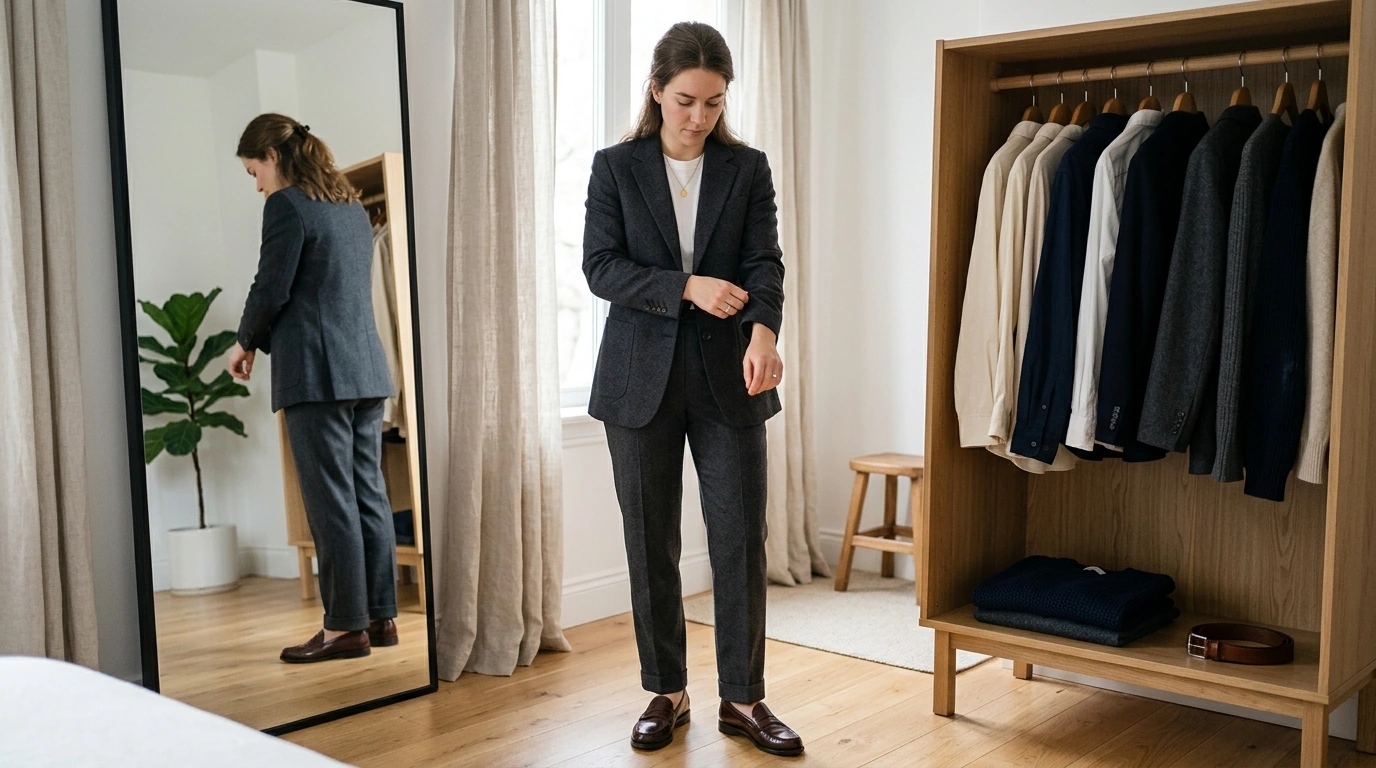
Looking expensive isn’t about chasing logos or constantly buying new outfits. It’s about the details that read polished from across the room: clean lines, intentional color, great fit, and a finished look head-to-toe. Our team uses a simple system that works whether you’re building a work wardrobe, elevating weekend outfits, or refining your everyday style on a realistic budget.
Below, you’ll find the same step-by-step framework we teach inside Polished Style on Any Budget – How to Look Expensive on a Budget Ebook | Timeless Wardrobe, Smart Styling & Luxury Look Guide: master the luxury-look formula, build a timeless capsule without overbuying, and adopt styling habits that instantly elevate what you already own.
The luxury-look formula: fit, fabric, finish, and restraint
1) Fit: the fastest “upgrade” money can buy
Fit is the multiplier. A $30 pair of pants hemmed to the correct length often looks more premium than a designer pair dragging at the heel. Prioritize tailoring, hemming, and proportion first: shoulder seams that sit correctly, sleeves that don’t swallow your hands, and pant lengths that create a clean break at the shoe.
2) Fabric: choose structure over shine
Structured fabrics hold their shape, photograph better, and keep outfits looking intentional longer. Look for denim with body, smooth knits that don’t cling, crisp cottons, and quality-looking synthetics with a matte finish. If you love shine, keep it deliberate (one glossy element at a time) so it reads like a choice, not an accident.
3) Finish: the “polished from across the room” checklist
Pressed clothing, lint-free surfaces, steamed collars, clean shoes, and tidy hair/beauty details create that put-together effect. Fabric care matters here—use care labels and proven guidance so items keep their shape and color longer (see the FTC’s care labeling overview and the American Cleaning Institute’s fabric care tips).
4) Restraint: fewer “loud” things, more refinement
Luxury styling often looks quiet: one focal point, not five. Keep silhouettes repeatable, stick to a consistent palette, and let one detail (a belt, a shoe, a neckline, a watch) do the talking.
Quick upgrades that change the whole outfit
| Upgrade | Cost level | Why it looks expensive |
|---|---|---|
| Hem pants to the right length | $ | Clean break at the shoe sharpens proportions |
| Steam/press key pieces | $ | Wrinkle-free clothing signals care and quality |
| Replace worn buttons | $ | Small hardware details are noticed up close |
| Add a structured bag or sleek belt | $$ | Structure and clean lines elevate basics |
| Polish/clean shoes regularly | $ | Footwear condition heavily affects overall impression |
Build a timeless wardrobe without overbuying
A timeless wardrobe isn’t huge—it’s repeatable. Start with “anchors” you can wear weekly without anyone noticing because you style them differently: straight-leg pants, a clean sneaker or loafer-style shoe, a layering knit, a simple jacket, and a day-to-night bag.
- Choose a tight palette: 2–3 neutrals plus 1–2 accents. A consistent palette makes budget pieces look curated.
- Favor simple silhouettes first: then add depth with texture (ribbed knits, matte leather-look, denim, soft suedes, fine-gauge sweaters).
- Use the “three-outfit test”: if you can’t build at least three outfits with what you already own, skip it.
- Keep duplicates intentional: the same silhouette in different neutrals reads refined and makes getting dressed easier.
If you’re caring for wool or wool-blend knits, follow fiber-specific guidance to prevent pilling and stretching (the Woolmark wool care guide is a great reference).
Smart styling habits that create an instant “expensive” impression
- Use the “top line” rule: keep necklines, collars, and shoulder areas clean and smooth (it’s where attention naturally goes).
- Balance volume: oversized top + streamlined bottom, or wide-leg bottom + cleaner, more fitted top.
- Tuck with intention: full tuck for sharpness, half tuck for ease, no tuck for long clean lines—choose based on silhouette.
- Repeat one element: repeat a color (shoe + belt), repeat metal tone (jewelry + hardware), or repeat texture for cohesion.
- Finish the outfit: one final detail (watch, belt, sleek clip, scarf) signals styling—not just getting dressed.
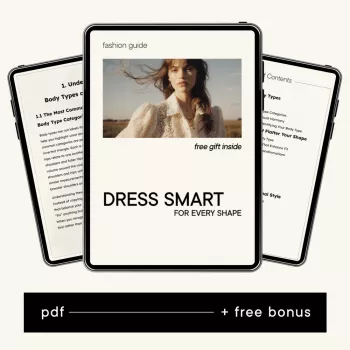
The guide that ties it all together: Polished Style on Any Budget (ebook)
Our Polished Style on Any Budget ebook is built for practical wardrobes. You’ll get a clear, repeatable system for looking expensive on a budget without relying on constant shopping or trend-chasing.
Easy add-ons from our store to support the polished look
- Women’s Color-Blocking Letter Embroidery Oversized Sweatshirt: keep it polished with a front tuck, straight-leg jeans or tailored pants, and minimal jewelry.
- Women’s Sheepskin Mules: clean, refined footwear can elevate even a simple knit set or a tee-and-trouser look.
7-day “look expensive” micro-plan
| Day | Focus | One action |
|---|---|---|
| 1 | Fit | Choose one item to hem or tailor |
| 2 | Palette | Pick 3 neutrals and build outfits only from them |
| 3 | Finish | Steam 2 tops and lint-roll outerwear |
| 4 | Footwear | Clean/polish shoes and rotate pairs |
| 5 | Accessories | Choose one metal tone; simplify jewelry |
| 6 | Outfit formula | Repeat a winning silhouette in a new color |
| 7 | Edit | Remove 3 items that don’t match the polished direction |
FAQ
What’s the fastest way to look expensive on a budget?
Start with finish: steam or press, remove lint and pilling, clean your shoes, and add one structured accessory. Fit and neatness create a premium impression faster than brand names ever will.
How can a wardrobe look timeless without being boring?
Use classic silhouettes as your base, then add interest through texture, tonal layering, and one focal accessory. Keeping a consistent palette makes the whole wardrobe feel curated rather than plain.
Is an oversized sweatshirt ever polished?
Yes—pair it with streamlined bottoms, add shape with a tuck or a sleeve roll, and finish with clean shoes and minimal accessories. The goal is intentional proportion, not “perfectly dressed up.”










Leave a comment