2L Tuya Smart Feeder: Scheduling, Portions & Setup Tips
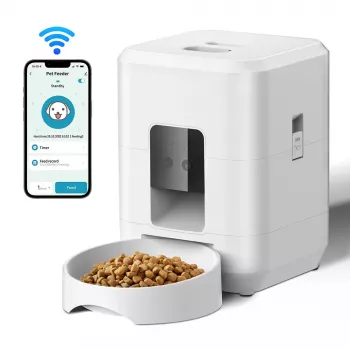
What a Tuya-connected feeder changes in daily feeding
When a pet thrives on routine, consistency matters more than perfection. A Tuya-connected smart feeder helps keep meals steady through early mornings, late meetings, and weekend schedule drift by letting the device handle the timing instead of relying on memory. For more guidance, see Smart life pet feeder portion size – Tuya.
With Tuya Smart ecosystem control, day-to-day management is straightforward: check or tweak schedules, confirm settings, and trigger a manual feed if a walk runs long or dinner plans change. You also reduce “double-feeding” in multi-person households because the feeder’s log and schedule become the single source of truth for when food was dispensed. For further reading, see Pet Feeder Entities – Configuration – Home Assistant Community.
It’s also useful for gradual transitions. If a veterinarian recommends shifting meal times, small changes spread over several days can be easier on a cat or dog than sudden time jumps—especially for pets that vocalize or pace when food arrives “late.” For a platform overview, Tuya provides general information at tuya.com.
Key features to look for in a 2L feeder for cats and dogs
Capacity and real-world “days of food”
A 2L hopper is often a good fit for small-to-medium pets, but the real coverage depends on kibble size, density, and how many pets are sharing the feeder. Small kibble packs more tightly than large pieces, so two foods can fill the same hopper but feed very different numbers of days.
Portioning you can repeat
Look for portion steps that feel consistent from one feed to the next. Reliable portions help prevent slow creep toward overfeeding or underfeeding, which is easy to miss until weight changes show up.
App control that supports real households
The basics should include schedule creation, manual feed, and device sharing so family members can view status without fighting over edits. Clear alerts (offline status, low food level if supported) are more useful than a flood of notifications that gets ignored.
Anti-jam design and kibble flow
Most dry food feeders rely on an internal auger/impeller path. Reliability improves when the hopper shape encourages kibble to slide consistently and the chute reduces bridging (where kibble arches and stops flowing). If your pet eats a larger, irregular kibble, testing early is essential.
Materials and cleaning access
Removable, food-contact parts and smooth interior surfaces make a bigger difference than many people expect. Oils and fine kibble dust can build up, affect freshness, and eventually interfere with dispensing if left unchecked.
Quick spec-and-use snapshot
Use this checklist to confirm a 2L smart feeder matches your pet’s kibble and your household routine. Start with a realistic meals-per-day plan, then refine after a week by observing body condition and appetite patterns. The AVMA’s pet nutrition resources are a helpful reference for building sensible feeding habits.
| What to check | Why it matters | What to verify during setup |
|---|---|---|
| Kibble size compatibility | Large or irregular kibble can bridge or jam | Test a small batch and run multiple manual feeds |
| Portion step consistency | Reliable portions prevent gradual over/underfeeding | Compare two identical scheduled feeds for output consistency |
| Schedule flexibility | Pets may need multiple small meals | Confirm number of meals per day and per-meal portion settings |
| Power and outage behavior | Feeding should continue or fail safely | Confirm backup power option and what happens if Wi‑Fi drops |
| Cleaning access | Hygiene impacts appetite and safety | Confirm hopper/bowl removal and wipe-down access points |
| Multi-user access | Prevents conflicting settings | Share device access and define who can edit schedules |
Setting up the Tuya app for dependable scheduling
Start by pairing on a stable network. Many smart home devices require 2.4GHz Wi‑Fi, so confirm your phone is on the correct band if your router splits networks by name.
Portion control: building a routine that fits cats and dogs
Power, connectivity, and “what happens if something fails”
Cleaning and food safety habits that keep pets eating well
For broader guidance on handling and storing pet food safely, review the FDA’s pet food safety information. At home, keep the main food bag sealed in a cool, dry place and refill the hopper with smaller amounts more often rather than topping off endlessly.
Tips for multi-pet households
Common issues and quick troubleshooting
Product option: 2L Smart Cat and Dog Feeder with Tuya APP
If you want a compact hopper for scheduled dry-kibble feeding with app control, the 2L Smart Cat and Dog Feeder with Tuya APP is designed for consistent timing and quick remote adjustments. Before you rely on it for travel, run a multi-day test at home, confirm portion settings, and verify connectivity and alerts where the feeder will sit.
More in-stock picks
- Automatic Quick-Open Camping Tent with Sun Protection & Spacious Cabin
- Women’s Color-Blocking Letter Embroidery Oversized Sweatshirt
- Women’s Sheepskin Mules
FAQ
Does a Tuya app feeder still work if Wi‑Fi goes out?
Many smart feeders continue dispensing based on schedules stored on the device, but remote control and notifications may stop until Wi‑Fi returns. Test your feeder’s outage behavior at home and confirm the specifics in the product documentation.
Is a 2L feeder enough for a cat or a small dog?
It can be, but it depends on how much your pet eats per day and how dense the kibble is. Measure one day’s kibble volume for your pet, then compare it to the hopper capacity to estimate how many days a full fill will last.
How often should the bowl and hopper be cleaned?
Wash the bowl regularly (often weekly, or more if it gets oily or dusty) and wipe the hopper periodically to prevent kibble dust buildup. Keep all parts completely dry before refilling, and avoid wet foods unless the feeder is specifically designed for them.













Leave a comment