2.5L Ceramic Casserole Pot: Gas Stove Soups & Stews
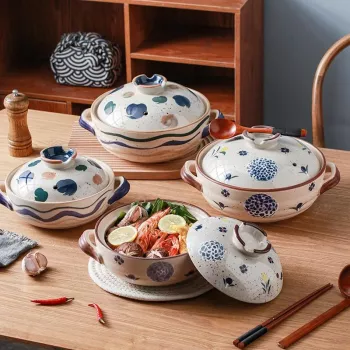
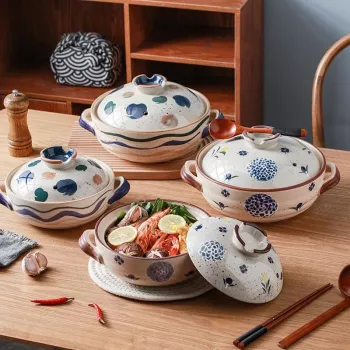
2.5L Ceramic Casserole Pot for High-Heat Soups and Stews on Gas Stoves
A ceramic casserole pot brings steady, even warmth to simmered dishes and one-pot meals, with a naturally non-reactive surface that suits broths, tomatoes, beans, and slow-cooked aromatics. On a gas burner, the biggest difference is heat style: flame is direct and fast, so ceramic performs best when you ramp temperature up gradually and keep the fire disciplined under the base. Below is a practical guide to what a 2.5L clay-style pot does well, how to keep it crack-free on gas, and which recipes and routines fit this everyday capacity.
What a 2.5L ceramic casserole pot is best at
A 2.5L ceramic casserole pot shines when the goal is steady simmering rather than aggressive boiling. The material holds heat well, which supports flavor-building stages—sweating onions and garlic gently, blooming spices, then settling into a quiet simmer that coaxes depth over time.
- Soups, stews, braises, congee, and bean pots: Best at gentle-to-medium simmering where ingredients soften gradually and aromatics have time to round out.
- Acid-friendly cooking: Ceramic surfaces are typically non-reactive, which helps preserve flavor in tomato soup, chicken cacciatore, lentil stew, and other acidic recipes that can taste “tinny” in reactive metals.
- Moisture retention: With a lid on, evaporation slows down—helpful for keeping meat tender, beans creamy, and broths fuller-bodied without constant topping off.
- Right-sized portions: A 2.5L pot commonly yields 2–4 servings depending on thickness (brothy soup vs. dense stew) and how much headroom you leave for simmering.
Using ceramic cookware on a gas stove: heat control that prevents cracking
Gas stoves can be an excellent match for ceramic cookware because you can fine-tune the flame instantly. The key is avoiding steep temperature swings and side-flame hot spots.
- Start low, then climb: Give the pot time to warm evenly. A gradual ramp-up is the simplest way to reduce stress in ceramic or clay-style bodies.
- Keep flames under the base: If flames curl up the sides, the pot heats unevenly—one of the most common causes of hairline cracks over time.
- Center the pot on a stable burner: Wobble, partial contact, or hanging over the grate can create concentrated hot spots.
- Avoid empty preheating: Unless the manufacturer explicitly says it’s allowed, don’t preheat an empty ceramic pot over flame. Add oil plus aromatics, or add liquid early to buffer temperature changes.
- Stir thicker foods more often: Chili, congee, and bean-heavy mixtures can scorch on the bottom if left unattended, especially during the first warm-up phase.
Practical heat settings for common dishes (gas stove)
| Dish type | Warm-up | Cook phase | Notes |
|---|---|---|---|
| Brothy soup | Low 3–5 min | Low to medium simmer | Skim foam early; keep lid slightly ajar if boil-over risk |
| Thick stew/chili | Low 5–8 min | Low simmer | Stir periodically; avoid vigorous rolling boil |
| Beans/legumes | Low 5–8 min | Low simmer | Maintain gentle bubbles; add salt later for more even softening |
| Braising (meat + liquid) | Low 5 min | Low simmer | Turn pieces occasionally if partially submerged |
Capacity and sizing: what fits in 2.5 liters
“2.5 liters” is the total volume, but the most comfortable working fill level is usually below the rim—especially for foods that foam, burble, or expand as they cook. Leaving headroom reduces boil-overs and gives you room to stir without splashing.
Care, cleaning, and storage for long life
Safety notes: food temperatures, handling, and utensil choices
- Use a thermometer: For meats and reheated leftovers, rely on internal temperature instead of visual cues. Reference the USDA’s safe minimums here: USDA FSIS — Safe Minimum Internal Temperatures.
- Plan for residual heat: Turn off the burner a little early; carryover heat can finish tender vegetables or keep a stew at serving temperature.
- Choose surface-friendly utensils: Wood, silicone, or nylon helps protect the interior and makes stirring thick foods more comfortable.
- Temper cold ingredients: Avoid dropping ice-cold stock or frozen blocks into a very hot pot. Let liquids warm slightly or add them in stages to reduce stress.
For general handling and leftover guidance, MedlinePlus offers a clear overview: NIH MedlinePlus — Food safety.
Product options (in stock)
- 2.5L Ceramic Casserole Pot – High-Heat Clay Soup & Stew Pan for Gas Stoves — A 2.5L ceramic/clay-style option designed for soups, stews, braises, and one-pot meals on gas burners (best with gradual heat increases and steady simmering).
- Women’s Color-Blocking Letter Embroidery Oversized Sweatshirt — A comfortable layer to throw on when you’re tending a long simmer, prepping ingredients, or waiting out a slow braise.
Quick details
| Item | Details |
|---|---|
| Capacity | 2.5L |
| Primary use | Soup, stew, braise, one-pot meals |
| Cooktop | Gas stoves (use controlled flame) |
| Availability | In stock |
FAQ
Can a ceramic casserole pot be used on a gas stove at high heat?
Yes, but treat “high heat” as a gradual ramp rather than an instant blast. Keep the flame under the base, avoid empty preheating unless approved by the maker, and aim for low-to-medium simmering once the pot is warmed through.
How do thermal shocks happen with ceramic cookware?
Thermal shock happens when the pot experiences sudden temperature changes, like a hot pot hitting a cold counter or cold water, or very cold liquid being added to a very hot pot. Let the pot cool down slowly and temper cold ingredients when possible.
What size soup or stew does a 2.5L pot make?
A 2.5L pot typically makes about 2–4 servings depending on whether the dish is brothy or thick. Leave headroom for simmering so bubbles and foam don’t push liquid over the rim.













Leave a comment