Scent Blending Checklist for Calm, Focus & Joy Rituals
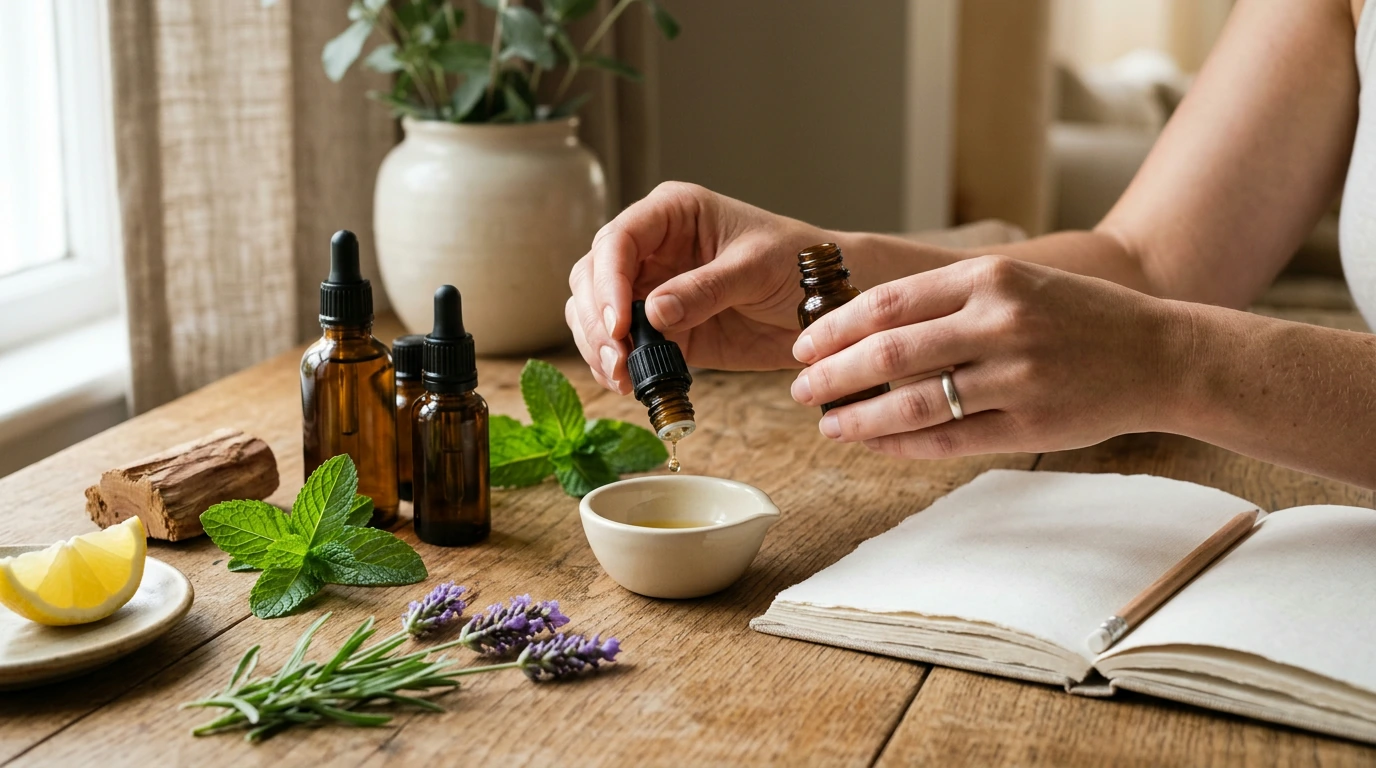
Scent Blending for Emotional Support: A Simple Checklist to Create Relaxation, Focus, and Joy Rituals
Emotional support can look like many things: a calmer evening, a clearer morning, a gentler reset between tasks. Scent is one of the quickest ways to shape a moment—when it’s used thoughtfully and safely. Our team put together this simple, repeatable checklist approach so you can blend aromas for your goals (relaxation, focus, joy, and steady comfort) without overcomplicating it.
What “emotional support” blending actually means
When you blend for emotional support, you’re aiming for a shift in atmosphere—something that nudges your nervous system toward the direction you want to go. It’s supportive, not curative. If you’re dealing with persistent anxiety, depression, insomnia, or panic symptoms, scent can be a helpful companion to care, not a replacement for it. For a practical overview of aromatherapy’s role and limitations, see NCCIH: Aromatherapy.
- Aim for support, not a cure: build a routine cue, not a medical claim.
- Think in “moments,” not perfection: one blend to wind down, one to start, one to reset is plenty.
- Use your nose as feedback: if it feels sharp, heavy, or distracting, adjust the balance—don’t push through.
- Keep it simple: 2–4 oils/notes is often the sweet spot for clean, wearable blends.
The checklist method: build a blend in minutes
This is the method we use when we want consistent results without getting stuck in “endless tweaking.” Save it to your phone or print it for your blending space.
- Name the moment: “sleepy evening,” “deep work sprint,” “midday reset,” or “lighthearted mood.”
- Choose a backbone note: a base/anchor scent that feels steady (wood, resin, warm herb).
- Add a heart note for character: the note that defines the blend’s personality (floral, herb, spice).
- Add a top note for lift: the first impression that makes it feel bright or fresh (citrus, mint, airy).
- Decide the delivery: diffuser, personal inhaler, room spray, or diluted roll-on for skin.
- Record what you did: ratios, time of day, how it felt after 10 minutes and after 1 hour.
A quick blend-builder cheat sheet (printable-friendly)
Use this as a starting template and adjust based on preference and sensitivity. If you’re new, go lower-intensity—especially in small rooms. For skin use, follow established dilution guidance, patch test, and avoid eyes and mucous membranes. If you’re blending around pets, kids, pregnancy, asthma, or medical conditions, take extra care and consult qualified guidance.
| Goal | Suggested note profile | Example scent families | Diffuser starting point | Personal blend cue |
|---|---|---|---|---|
| Relaxation | Base-forward + soft heart + gentle top | Lavender/floral, woods, soft citrus | 3–6 total drops (small room) | Smooth, cozy, no “sharp edges” |
| Focus | Clean top + steady base + clear heart | Citrus, mint/herbal, woods | 3–6 total drops (short sessions) | Bright opening, not headache-inducing |
| Joy | Sparkling top + warm heart + light base | Citrus, fruity/floral, mild resin | 4–8 total drops (open space) | Bouncy, uplifting, not sugary-heavy |
| Grounding | Base-led + resin/herb heart + minimal top | Woods, resins, earthy herbs | 3–6 total drops | Stable, calm, “slow breath” feel |
Four ready-to-use mini formulas (and how to adjust them)
These are “templates,” not strict recipes. Start small, then adjust one element at a time (top OR heart OR base) so you can tell what caused the change.
- Relaxation template: start with a soft floral + gentle wood; if it’s too sleepy, add a touch of fresh top note.
- Focus template: start with a bright citrus top + crisp herb; if it feels too sharp, increase the grounding base note slightly.
- Joy template: keep the top note dominant; if it becomes overwhelming, add a warmer heart note to round it out.
- Grounding template: keep the base steady; if it feels heavy, add a small top note for airiness.
Make it a ritual: pairing scent with a habit that sticks
Scent works best when it becomes a consistent cue. Pick a short action you can repeat, and let your blend be the “start button.”
Safety essentials to keep your blends supportive
Supportive blends feel better when they’re also used responsibly. For dilution basics and practical safety ranges, Tisserand Institute: Safety Guidelines is a solid starting point. For fragrance safety frameworks used by the industry, see IFRA Standards.
Tools and cozy add-ons we keep in our routine
If you want a ready-made structure you can reuse, our team built Scent Blending for Emotional Support: Your Actionable Checklist (Digital Download) to walk you through goal-picking, note selection, delivery choice, and simple tracking—so you can build a small personal library of blends that actually get used.
For evening wind-down rituals, layering comfort helps your brain recognize “off-duty time” faster. Two cozy options our customers love pairing with a relaxation routine are the Women’s Color-Blocking Letter Embroidery Oversized Sweatshirt and Women’s Sheepskin Mules. Keep the setup consistent (same seat, same throw, same low lighting), and your scent cue tends to land more quickly.
FAQ
How many oils should be in a beginner-friendly blend?
Stick to 2–4 oils/notes so you can clearly taste (and fix) the balance between top, heart, and base. Fewer variables make it much easier to adjust without muddying the blend.
Can a blend help with stress and focus on the same day?
Yes—use separate blends for separate moments, like a calming reset blend between tasks and a brighter focus blend for a work sprint. Keep diffusion sessions short and label each blend by its “moment” so you reach for the right one automatically.
What’s the safest way to use blends on skin?
Use proper dilution, patch test first, and avoid eyes and other sensitive areas. Also consider contraindications (age, pregnancy, asthma, medications) and stop use if irritation occurs.















Leave a comment