2-Minute Calm Reset: Box Breathing + Grounding
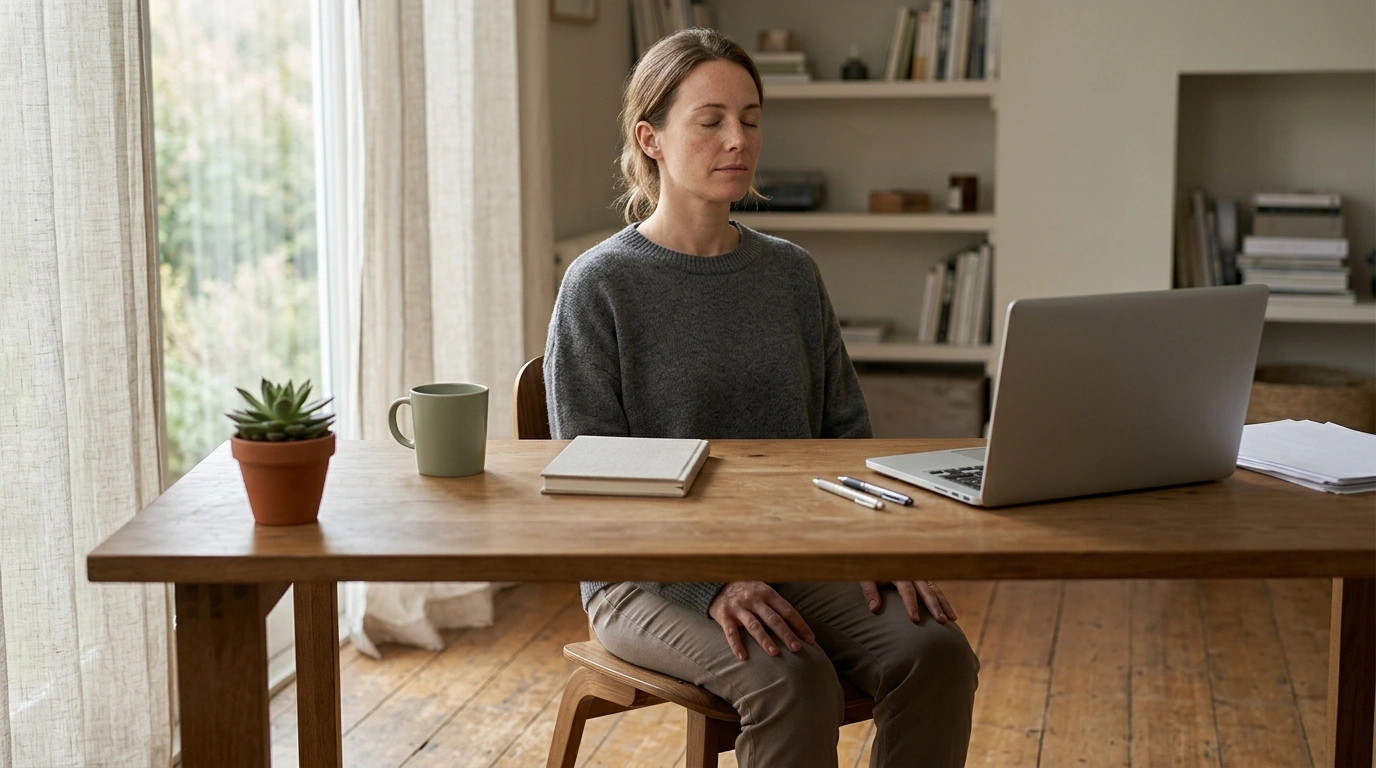
Find Your Calm: Box Breathing and Grounding Techniques for Stressful Moments
Stress rarely announces itself politely. It shows up as a racing mind, tight shoulders, shallow breathing, and that feeling of being “on edge” even when everything looks fine on paper. Our team created Find Your Calm: A Simple Guide to Box Breathing & Grounding Techniques (Digital eBook) for real life—quick, clear practices that fit into a busy day, a rough night, or a sudden spike of anxiety. The goal is simple: help your body downshift, then help your mind reconnect with the present.
If you want a little extra reassurance that these approaches are widely recommended, you can also read more from the Cleveland Clinic on box breathing and the American Psychological Association on how stress affects the body.
What “calm” looks like in the moment
In stressful moments, “calm” usually isn’t a perfectly blank mind. Calm is having enough space to respond instead of react—enough steadiness to choose your next step.
- Calm doesn’t mean forcing thoughts to disappear; it means creating breathing room around them.
- Stress relief works best when it starts with your nervous system. Breath and sensory grounding are fast entry points.
- Short practices repeated often tend to work better than long sessions that never happen.
- These techniques are meant to be usable anywhere: at your desk, in a parked car, before a meeting, or in bed.
Box breathing: a simple pattern that brings the body back online
Box breathing uses four equal counts—inhale, hold, exhale, hold—to steady your breathing and reduce that “spiral” feeling. When you’re keyed up, the exhale is often the quickest lever for downshifting because it nudges the body toward a safer, slower rhythm.
How to do it (without making it complicated)
- Start with a 4–4–4–4 count: inhale 4, hold 4, exhale 4, hold 4.
- Breathe through your nose if you can; it naturally slows the pace.
- Adjust the count to fit your comfort and lung capacity (steady matters more than “perfect”).
- Use it before a stressful task, after an argument, during a panic-y wave, or as a bedtime reset.
Box Breathing Quick Reference (printable-style)
| Step | Count | What to focus on |
|---|---|---|
| Inhale | 4 | Feel the ribcage expand; keep shoulders relaxed |
| Hold | 4 | Notice stillness; unclench jaw and hands |
| Exhale | 4 | Slow release; soften belly and chest |
| Hold | 4 | Pause gently; let the next inhale arrive naturally |
| Repeat | 4 rounds | Track the count; return when the mind wanders |
Grounding techniques: fast ways to re-anchor in the present
Grounding uses your senses—touch, sound, sight, smell, taste—to pull attention out of worry loops and into “right now.” Think of it as giving your mind something concrete to hold onto when it wants to time-travel into “what if.”
- Grounding options can be simple: naming items in a room, noticing temperature, or using a feet-on-floor cue.
- Grounding pairs well with breathing: breathe first to lower intensity, then ground to stabilize attention.
- It’s especially helpful for rumination, overwhelm, social anxiety moments, and that floaty/disconnected feeling.
Quick grounding ideas you can do quietly
- Feet + pressure: Press both feet into the floor for 10 seconds. Notice where your shoes (or socks) meet your skin.
- Temperature check: Notice the coolest or warmest point on your skin. Describe it in plain words: “cool air on my forearm.”
- Room inventory: Name five ordinary objects (no analyzing): “lamp, door, mug, rug, notebook.”
A 2-minute reset: breathe, ground, choose the next step
When you don’t have time for a full routine, use this two-minute sequence. It’s built for repeatability—between meetings, before sending a hard message, or when the evening feels too loud.
- Minute 1 (Breath): Do 2 rounds of box breathing at a comfortable count (4 is common; adjust if needed).
- Minute 2 (Ground): Notice 3 things you can see, 2 things you can feel, and 1 sound you can hear.
- Choose one small action: Sip water, step outside, write one sentence, or start the next task with a clear first step.
Make it stick: building a coping routine that actually happens
Consistency beats intensity. The aim is to make calm more available—not by forcing constant serenity, but by reducing the spikes and shortening the recovery time.
What’s inside the eBook (digital, ready when you need it)
If you want a structured, ready-to-open reference, you can start here: Find Your Calm: A Simple Guide to Box Breathing & Grounding Techniques (Digital eBook).
Create a calmer environment (optional add-ons that support the practice)
- Women’s Color-Blocking Letter Embroidery Oversized Sweatshirt (a simple “reset layer” you can throw on before you start your 2-minute routine)
- Women’s Sheepskin Mules (helpful for a grounded, feet-on-the-floor cue—especially during evenings at home)
FAQ
How often should box breathing be practiced for stress relief?
Try 1–3 minutes once or twice daily, then use it as needed when stress spikes. If you feel lightheaded, shorten the count or return to normal breathing and restart more gently.
Can grounding techniques help during a panic spike or racing thoughts?
Yes—breathing first can lower the intensity, and grounding can help steady attention. A simple option is “3-2-1”: notice 3 things you see, 2 things you feel, and 1 sound you hear; persistent panic is a good reason to seek professional support.
Is this eBook suitable for beginners who have never tried mindfulness?
Yes, it’s beginner-friendly and built around short, step-by-step practices you can follow even when you’re stressed. It isn’t a substitute for medical care, but it can be a practical starting point for everyday coping.















Leave a comment