Clothing Budget System: Spend Well, Skip the Regret
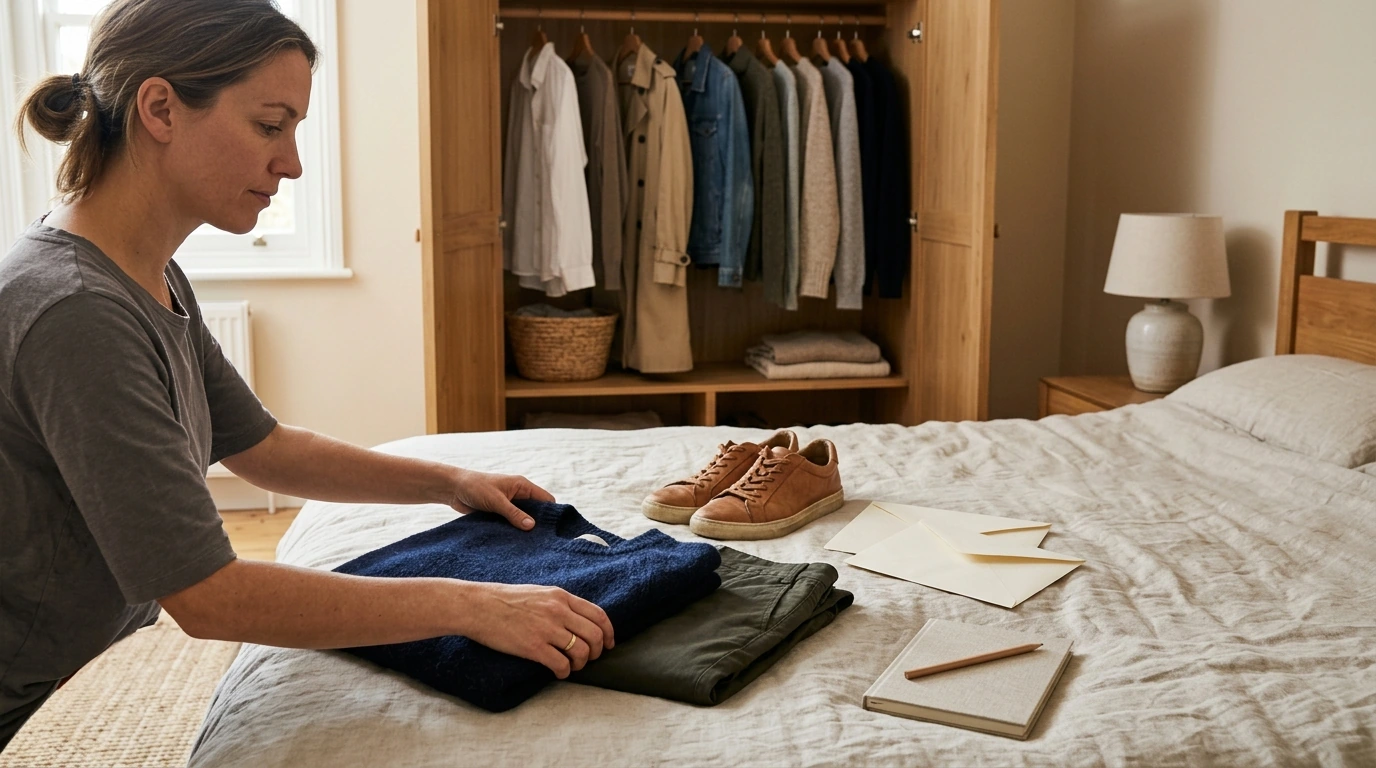
Spending on Style Without the Stress: A Clothing Budget That Leaves Room to Live
A clothing budget should feel like freedom: the ability to dress well, replace what’s worn out, and say yes to the pieces that truly fit your life—without the end-of-month regret. Our team uses a simple system: set a number that works with your cash flow, build flexible “style lanes” for everyday needs and occasional splurges, and keep purchases aligned with the wardrobe you actually wear.
Start with the outcome: less clutter, fewer impulse buys, more outfits on repeat
“No stress” starts with clarity. Before you shop, decide what you want your wardrobe spending to do for you: bills covered, savings moving, and clothing money already assigned so you’re not negotiating at checkout.
- Pick one primary wardrobe goal for the next 60–90 days. Think: a work refresh, a seasonal swap, fit changes, or replacing basics.
- Define success in real life terms. For many people it’s fewer items but more outfit combinations; for others it’s a small set of upgrades that elevates everything else.
- Name your “top 3” situations. Work, weekends, events, fitness, and travel tend to drive most purchases—your budget should support what you actually do.
Quick wardrobe goal picker (choose one lane for the next cycle)
| If the problem is… | Choose this goal | What to buy first |
|---|---|---|
| Nothing feels put-together | Upgrade “outfit anchors” | One top + one bottom that work with 5+ items each |
| Closet is full, but outfits feel wrong | Fix fit + fill gaps | Tailoring/alterations + missing connector piece (e.g., neutral layer) |
| Always buying replacements | Rebuild basics | Underlayers, tees, denim, everyday shoes |
| Special occasions cause panic spending | Create an event capsule | One versatile dress/suit option + one shoe + one layer |
Set the number: a clothing budget that matches cash flow and priorities
Instead of chasing a “perfect” amount, anchor your clothing budget to what’s sustainable after essentials and savings. The Consumer Financial Protection Bureau (CFPB) budgeting resources are a solid starting point for setting up your overall plan so clothing fits into it—not the other way around.
- Choose a rhythm that fits your paydays. Monthly feels consistent; seasonal (spring/summer and fall/winter) reduces decision fatigue.
- Use a two-part structure. (1) Core money for planned purchases, (2) a small “style flex” amount for spontaneous finds.
- Include the costs that sneak in. Alterations, shipping/returns, shoe care, and laundry/repair supplies can quietly blow up your total.
- Set a floor and a ceiling. The floor covers replacements; the ceiling keeps a great month from turning into a spending spiral.
If you want a ready-to-use template for setting that Core/Flex split and tracking it week to week, our team built Spending on Style Without the Stress: How to Create a Clothing Budget for Freedom and Flexibility as a simple system you can repeat each season.
Build spending rules that protect both style and savings
A budget number helps, but rules are what keep your closet from filling with “almost” items. The goal isn’t restriction—it’s removing the decision stress.
Two high-leverage categories to budget for early are shoes and layers. A reliable pair like our Women’s Sheepskin Mules can take pressure off “nothing works” days, while a statement-casual layer such as the Women’s Color-Blocking Letter Embroidery Oversized Sweatshirt can make basics feel intentional without requiring a full wardrobe overhaul.
When you shop online, keep return windows, shipping costs, and seller policies in mind. The Federal Trade Commission (FTC) online shopping tips are a smart refresher for protecting your budget from surprise fees and complicated returns.
Make it practical: a 4-week clothing budget workflow
If you want a reality check on typical household spending patterns (including apparel and related services), the U.S. Bureau of Labor Statistics (BLS) Consumer Expenditure Surveys can help you compare trends without letting averages dictate your personal priorities.
Use the guide as a repeatable system (not a one-time reset)
For a step-by-step framework you can reuse every season, our team designed Spending on Style Without the Stress: How to Create a Clothing Budget for Freedom and Flexibility to serve as your central template—especially when you want structure without feeling boxed in.
FAQ
How much should be set aside for clothing each month?
Start by paying essentials and savings first, then choose a clothing number you can sustain for three months without stress. Split it into Core (planned needs) and Flex (fun) so you don’t have to “wing it” when something tempting shows up. After one month of tracking, adjust the split—not just the total—based on what actually happened.
What if overspending happens halfway through the month?
Pause Flex spending immediately and switch to a list-only rule for the rest of the cycle. Return anything that doesn’t pass the 3-outfit test, then rebuild with a short replacement-only list until your next budget reset. The goal is to stabilize quickly without shame spending or “catch-up” splurges.
How can a clothing budget still leave room for fun pieces?
Give fun its own small, dedicated Flex amount and protect it with a 24–72 hour waiting period for non-essentials. Keep a wish list so the fun buys are chosen, not impulsive, and you’ll usually spend less overall while enjoying your purchases more. Planned joy prevents bigger, stress-fueled splurges later.













Leave a comment