Feel-Good Anxiety Checklist: Quick Calming Exercises
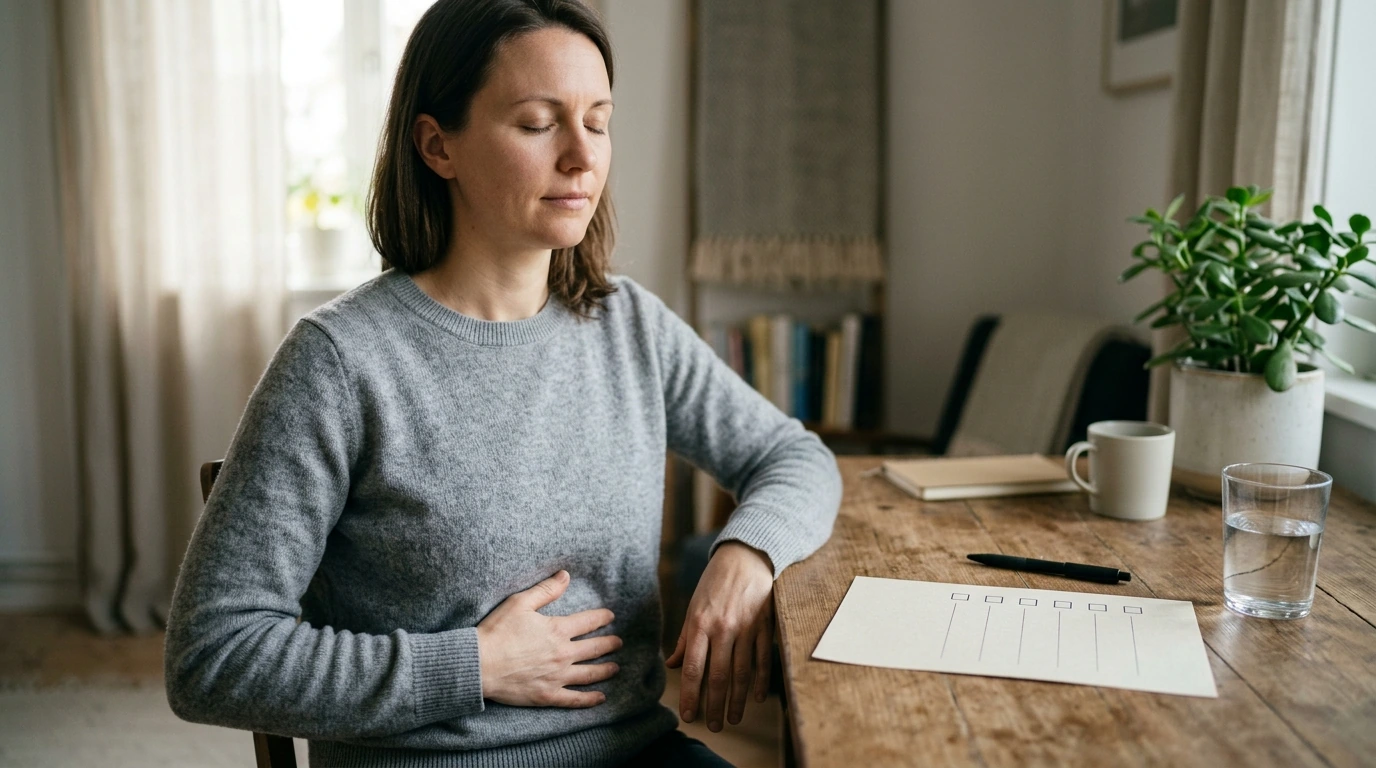
Feel-Good Checklist for a Calmer Mind and Happier You: Simple Relaxation Exercises for Anxiety
When anxiety shows up, the hardest part is often deciding what to do next. Our Feel-Good Checklist is designed to take the guesswork out of calming down with a clear set of small, supportive actions. You can use it as a gentle reset during a stressful moment, or as a daily routine builder that helps your mind feel steadier over time.
What this checklist is (and how it helps on anxious days)
On anxious days, focus can feel slippery—so our team built this checklist to be simple, structured, and flexible. It’s a step-by-step set of relaxation exercises for anxiety you can follow even when you don’t feel like “thinking your way through it.”
- A structured set of exercises you can do in order or pick from like a menu.
- Built for real life: quick options for busy moments, plus longer options when you have time to unwind.
- Encourages consistency without pressure—checking off one small action still counts as progress.
- Supports common anxiety needs: slowing your breath, easing muscle tension, grounding attention, and returning to the present.
- Works well as a “match the moment” approach so you’re not forcing a single method every time.
| How it feels right now | Checklist focus | Example actions to check off |
|---|---|---|
| Racing thoughts | Grounding + focus | 5-4-3-2-1 senses scan; name 3 facts about the present moment; short journaling prompt |
| Tight chest / shallow breathing | Breath reset | Box breathing; longer exhales; paced breathing timer |
| Restless body | Release tension | Progressive muscle relaxation; neck/shoulder release; brief stretch routine |
| Overwhelmed and stuck | Tiny next step | Drink water; step outside; set a 5-minute tidy; send one message for support |
| Wired at night | Wind-down routine | Screen break; legs-up-the-wall; body scan; calming audio |
How to use the Feel-Good Checklist (3 easy rhythms)
You don’t need the “perfect” routine to get benefits—just a repeatable next step. These three rhythms let you scale the checklist to your day.
The 2-minute reset
Pick one breathing exercise and one grounding action, then stop. If that’s all you can do, you still interrupted the spiral and gave your nervous system a cue to downshift.
The 10-minute unwind
Pair breath + muscle relaxation + a quick thought unload (notes or a short journaling prompt). This combo helps when anxiety is sticking because your body is tense and your thoughts are looping.
The daily anchor
Choose the same three items each day to build a steady baseline—morning breathing, afternoon stretch, evening wind-down is a simple example. Keep the checklist visible where anxiety tends to spike (desk, bedside, bag, or your phone) so the next step stays easy.
Our favorite rule: a “minimum win.” One checked item counts as a completed practice; momentum can come later.
Core relaxation exercises for anxiety inside the checklist
- Breathing practices: Simple pacing methods that help your nervous system shift out of high alert, especially when you emphasize longer exhales.
- Progressive muscle relaxation: Brief tension-and-release cycles that reduce the “braced” feeling anxiety can create.
- Grounding techniques: Quick sensory prompts that pull attention away from spirals and back to the present.
- Body scan: A calm, neutral check-in from head to toe to soften tension and reconnect with your body.
- Gentle movement: Light stretching or mobility to release stress without turning it into a workout requirement.
- Supportive self-talk prompts: Short phrases that offer safety cues (steady and practical, not forced positivity).
If you’d like a ready-to-use version you can keep nearby, our team made Feel-Good Checklist for a Calmer Mind and Happier You – Relaxation Exercises for Anxiety to be easy to follow in the moment—especially when decision fatigue hits.
Make it personal: build a calmer “default day”
Personalization is what turns a checklist into a routine you’ll actually use. Keep it small so it stays sustainable.
When the checklist is most useful (and when to reach for extra support)
For additional education from trusted sources, you can review the National Institute of Mental Health (NIMH) overview of anxiety disorders and the American Psychological Association (APA) resources on stress management.
A simple comfort pairing: calm body, calm mind
- For an easy wind-down cue, slip into something soft like our Women’s Color-Blocking Letter Embroidery Oversized Sweatshirt before you start your evening routine.
- For a grounded, at-home reset, cozy footwear can help your body get the message that it’s safe to settle—try our Women’s Sheepskin Mules as part of your “wind-down uniform.”
FAQ
How often should the relaxation checklist be used for anxiety?
Use it daily as a baseline, even if you only have 2–5 minutes, and also as-needed during anxiety spikes. Consistency matters more than duration, and one checked item still counts as a completed practice.
What should be done if breathing exercises make anxiety feel worse?
Switch to grounding or muscle relaxation, shorten the practice, and focus on gentle longer exhales rather than forcing deep breaths. If it keeps happening, getting guidance from a qualified professional can help you find the safest approach for your body.
Can this checklist be used at night when anxiety interrupts sleep?
Yes—keep it low-effort: screens down, then try paced breathing or a body scan, followed by a quick muscle release and one calming cue (like dim lights or a warm layer). Aim for simple steps you can repeat without fully “waking yourself up.”













Leave a comment