Oktoberfest Munich Planning Guide for First-Timers
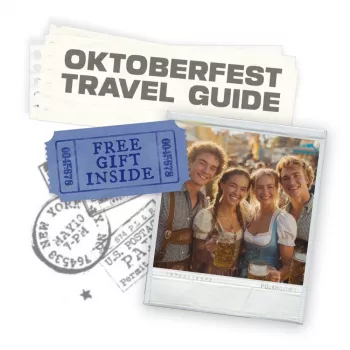
Prost Without Stress: Oktoberfest in Munich Planning Guide
A first Oktoberfest can feel like a lot: giant crowds, loud tents, long transit platforms, and the simple question of “Where do we even start?” The good news is that Munich runs like a system—once you understand the rhythm. Use the planning steps below to pick smarter days, arrive at calmer times, and keep your group comfortable from the first Maß to the last train home.
Before booking: dates, hours, and what “Oktoberfest” really means
Start by confirming the official festival dates each year. Despite the name, Oktoberfest usually begins in September and continues into October, and operating hours can differ for tents versus the fairground.
Know the layout: Theresienwiese (the “Wiesn”) is the fairground itself. Beer is served inside the large and small tents run by Munich breweries. That distinction matters, because entry to the grounds is generally open, but getting a seat inside a tent is the real bottleneck.
To avoid peak pressure points, plan around opening weekend, Saturdays, and evening surges—those periods can feel shoulder-to-shoulder. Weekdays and earlier arrivals are typically easier and more relaxed. Set expectations, too: table service goes to seated guests, standing zones can fill fast, and cashless payment varies by tent and year. For current rules and official updates, check Oktoberfest.de.
Where to stay: choosing a neighborhood without overpaying
Prioritize transit access over “closest possible.” A direct U-Bahn or S-Bahn connection often beats a long walk after a late night, especially if your group gets tired or the weather turns.
Popular home bases include: around Hauptbahnhof (central and convenient, but busy), Glockenbach/Sendlinger Tor (walkable nightlife and food), Schwabing (restaurants, good transit, slightly calmer feel), and East Munich (often better value with fast rail links). Book early for weekends, and consider refundable rates so you can adjust if plans shift.
During festival weeks, some hotels tighten policies on deposits and check-in times. Confirm late check-in procedures before you fly—removing that uncertainty makes day one much smoother.
Getting around Munich on festival days
Use public transit for the last mile. Parking near Theresienwiese is limited, slow, and rarely worth the stress. Download or screenshot your routes ahead of time and keep your accommodation address saved in German so you can show a taxi driver or ask for help quickly.
Plan your return trip before the first beer: pick the station you’ll use, confirm last train times, and choose a fixed meet-up point in case the group splits. The MVV site is the most reliable place to check tickets and route planning: MVV Munich Public Transport.
Simple transit plan for a smoother day
| Moment | What to do | Why it helps |
|---|---|---|
| Before leaving | Screenshot routes + save hotel address | Avoids dead batteries and weak signal issues |
| Arrival | Pick a fixed meet-up spot near a station exit | Makes regrouping easy in crowds |
| Midday | Take a short break outside the tents | Resets energy and reduces overwhelm |
| End of night | Leave 20–30 minutes earlier than “closing rush” | Shorter queues and safer platforms |
Tents 101: big tents, small tents, and choosing the right vibe
Big tents deliver the classic Oktoberfest scale: huge capacity, high energy, and louder music later in the day. They’re also the most competitive for seating. Small tents are more intimate and can be easier for spontaneous entry earlier, especially if you’re prioritizing food, conversation, or a slower pace.
Match the tent to your group. Many first-timers have a better day by starting earlier, eating a full meal first, and choosing a tent that feels manageable—then deciding later whether to chase a louder scene. If you have specific priorities (family-friendly time windows, band schedule, or a particular dish), check those details in advance.
Reservations, tickets, and entry: what’s real and what to ignore
Entry to Oktoberfest grounds is typically free. The confusion comes from tent seating and table reservations. A reservation is usually a timed slot that includes vouchers for beer and food, with rules that differ by tent, day, and time block.
What to wear: comfort first, tradition optional
Choose supportive, closed-toe shoes, and keep your bag small (crossbody with a zipper is ideal). Bring a light top layer you won’t hate carrying once you’re indoors. For an easy warm layer that works after the festival too, consider a Women’s Color-Blocking Letter Embroidery Oversized Sweatshirt. For comfort on the walk back, browse Women’s Sheepskin Mules as a cozy option for downtime after you’re done on the grounds.
Money, tipping, and budgeting for the day
Crowds, safety, and staying comfortable
A simple first-timer itinerary that avoids the worst bottlenecks
Evening: Expect stricter entry control and longer lines. If your target tent is full, pivot quickly to a smaller tent or consider a beer hall elsewhere in the city. For broader city planning basics, see Munich Tourist Information.
Need a calm plan you can follow on the go?
If you want everything organized in one place—tents, timing, reservations, what to wear, and first-timer decision rules—use the Prost Without Stress – Oktoberfest in Munich Planning Guide for an easy, low-drama day plan.
FAQ
Do you need tickets to enter Oktoberfest in Munich?
No—entry to the Oktoberfest grounds is generally free. The main limitation is getting seating inside beer tents, where reservations or arriving early make the biggest difference.
What should a first-timer wear to Oktoberfest?
Wear comfortable clothes with layers and supportive closed-toe shoes. Traditional outfits are optional; a small secure bag and a light jacket for evening temperatures go a long way.
How early should you arrive to get into a beer tent without a reservation?
Earlier is better, especially on weekends—aim for late morning or lunch time for the easiest entry. Weekdays are typically simpler, and smaller groups (2–4) have a much easier time finding seats.










Leave a comment