Chronic Stress: Signs, Long-Term Effects, and Coping Tools
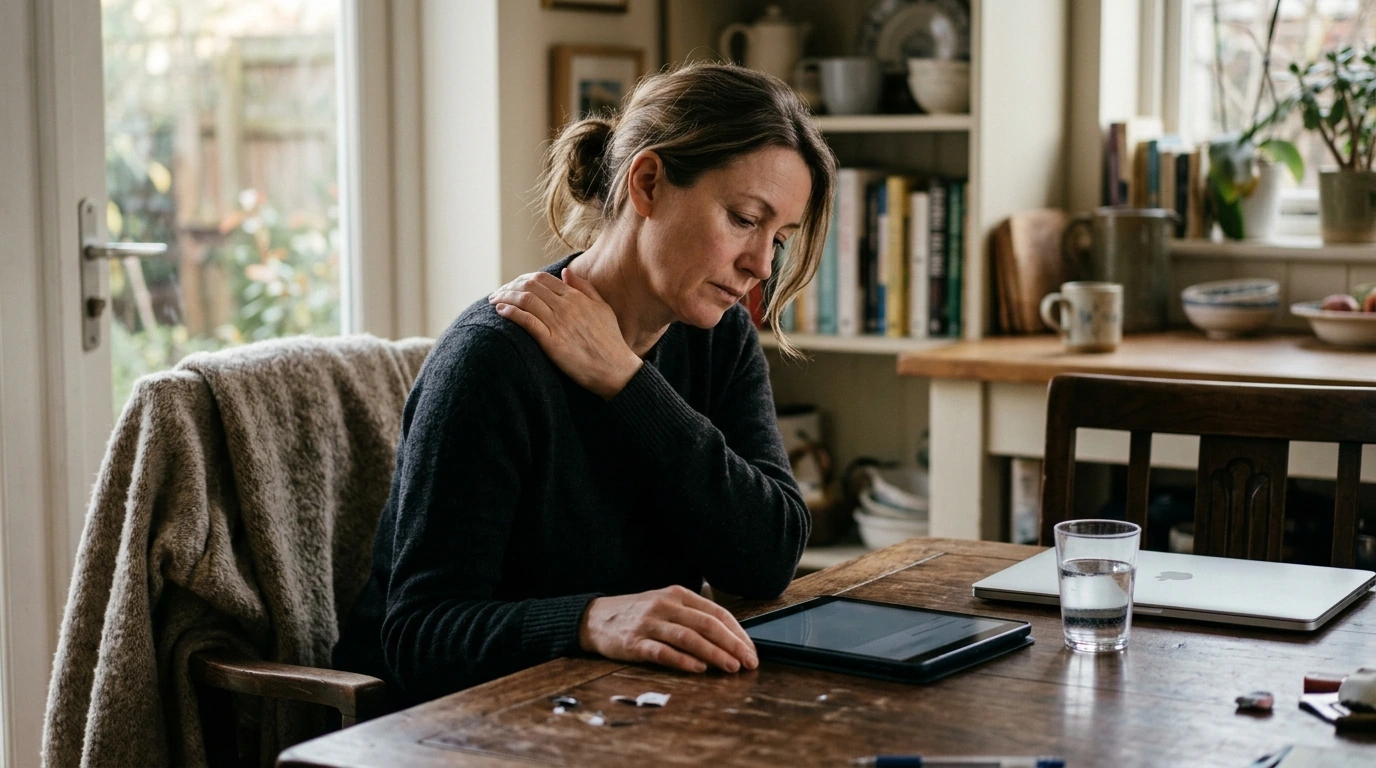
When Stress Never Ends: Understanding Chronic Strain and Finding Steadier Ground
Chronic stress is different from a short, challenging season—it’s the ongoing pressure that keeps the body’s alarm system switched on. Over time, that constant “on” state can affect mood, sleep, focus, relationships, and even physical health. Understanding how long-term strain works makes it easier to recognize patterns early and choose coping strategies that are realistic, sustainable, and supportive of mental well-being.
What Makes Stress “Chronic” (and Why It Feels Hard to Turn Off)
Chronic stress is prolonged activation of the stress response due to ongoing demands—work overload, caregiving, financial strain, persistent conflict, or health uncertainty. Even when a single issue feels manageable, multiple small stressors can stack up until your system rarely gets a full “all clear.”
That’s also why “high functioning” stress can be misleading. You may keep meeting deadlines or showing up for others, while irritability, sleep problems, or emotional numbing quietly increase in the background.
Common signs of chronic stress include frequent worry, muscle tension, headaches, stomach upset, racing thoughts, feeling on edge, low motivation, reduced joy, and persistent fatigue. For a clear overview of how stress shows up physically, the American Psychological Association breaks down common body effects in plain language.
How Chronic Stress Affects the Body and Brain Over Time
Your stress system (including cortisol and adrenaline) is built for short bursts—not constant exposure. When the body stays revved up, sleep-wake rhythms can get shaky, appetite cues can become less reliable, and energy can swing between jittery and drained.
Cognitive effects
Long-term strain often shows up as difficulty concentrating, forgetfulness, indecision, and a mental “fog,” especially when recovery time is limited. The brain is trying to conserve resources while simultaneously scanning for the next problem.
Emotional effects
Chronic stress can present as irritability, anxiety, low mood, or emotional flatness. Some people cycle between overdrive (restless, edgy, can’t stop thinking) and shutdown (numb, unmotivated, socially withdrawn).
Physical and behavioral effects
Physical impacts may include increased muscle tension, more frequent minor illnesses, pain flare-ups, and worsened symptoms of existing conditions. Behaviors often shift, too: scrolling late at night, skipping meals, leaning harder on caffeine or alcohol, moving less, or avoiding people because “it’s easier not to talk.” The National Institute of Mental Health has a helpful overview of stress basics and why it can feel so disruptive.
Chronic Stress and Mental Health: When Strain Turns Into Symptoms
Prolonged stress can intensify anxiety and depression symptoms, and it may increase vulnerability to burnout when demands stay high and control stays low. Sleep disruption is both a symptom and a driver—poor sleep lowers emotional regulation and increases reactivity the next day, which then makes sleep harder again.
Professional support can be appropriate when distress is persistent, functioning is impaired, panic symptoms occur, or coping strategies stop working. If the pattern looks like workplace burnout specifically, the World Health Organization describes burnout as an occupational phenomenon linked to chronic workplace stress that hasn’t been successfully managed.
Quick Check: Acute Stress vs. Chronic Stress vs. Burnout
| Pattern | Typical duration | Common signs | Helpful first steps |
|---|---|---|---|
| Acute stress | Hours to days | Racing heart, worry, temporary sleep trouble, feeling keyed up | Short recovery window: hydration, meal, walk, early bedtime, brief breathing practice |
| Chronic stress | Weeks to months (or longer) | Persistent tension, irritability, fatigue, brain fog, reduced joy, ongoing worry | Reduce load where possible, add daily recovery rituals, track triggers, strengthen support |
| Burnout | Months to years (often work-related) | Exhaustion, cynicism, detachment, reduced performance, “nothing helps” feeling | Time off/restructuring, boundary reset, professional support, values-based workload changes |
Practical Coping Strategies That Work When Life Can’t Fully Pause
1) Stabilize the basics
2) Downshift your nervous system in minutes
3) Shrink the problem size
4) Set “good enough” boundaries
5) Protect attention
6) Build micro-recovery rituals
7) Seek the right support
A Guided Resource for Understanding the Lasting Effects of Chronic Strain
When symptoms feel confusing or inconsistent, a structured guide can help connect the dots between chronic stress, mental health changes, and daily coping. When Stress Never Ends: Understanding the Lasting Impact of Chronic Strain (digital download eBook) focuses on how prolonged stress affects mind and body—and how to build practical coping strategies that fit real life.
For comfort-based recovery habits that support calmer evenings, simple environment cues can help—like soft, cozy layers or a dedicated “off-duty” outfit. Options like the Women’s Color-Blocking Letter Embroidery Oversized Sweatshirt or easy-on Women’s Sheepskin Mules can make wind-down routines feel more automatic by pairing comfort with a consistent transition signal.
When to Get Extra Help (and What to Ask For)
FAQ
How can chronic stress affect mental health over time?
Over time, chronic stress can increase anxiety and depression symptoms, disrupt sleep, and make irritability, rumination, and low motivation more likely. When the stress response stays activated, resilience drops and everyday challenges can feel disproportionately hard.
What are simple coping strategies for chronic stress that can be done daily?
Keep a consistent sleep/wake rhythm, do brief slower-exhale breathing resets, add short movement breaks, prioritize hydration and balanced meals, and set “good enough” boundaries around after-hours work. Reducing notification overload and using small transition rituals can also create reliable micro-recovery.
When should chronic stress be treated with professional help?
Seek professional support when symptoms persist for weeks, impair functioning, involve panic symptoms, severe insomnia, or heavy substance use, or when self-help strategies stop working. If there are thoughts of self-harm or you can’t stay safe, contact emergency services or a crisis line immediately.















Leave a comment