Timeless Style Rules: Fit, Proportion, Color & Quality

Style Rules That Last: Timeless Style Rules That Always Work
Timeless style is less about chasing trends and more about building repeatable habits: fit, proportion, cohesive color, and quality where it counts. A small set of reliable rules can simplify daily outfits, reduce closet clutter, and create a signature look that works across seasons and occasions.
What “timeless” really means in everyday dressing
“Timeless” doesn’t mean dressing like it’s a different decade or avoiding anything current. It means leaning on silhouettes and combinations that have proven longevity rather than momentary novelty. A straight-leg jean, a crisp button-down, a simple knit, and a clean shoe shape keep working because they’re easy on the eye and easy to repeat.
It also means choosing pieces that move between settings—work, weekend, travel—with minor styling changes. Swap shoes, add a tailored layer, or refine accessories, and the same base outfit reads completely differently.
Trends still have a place, but they work best as accents: a color you love, a slightly updated toe shape, or a single standout accessory. When the trend is the “sprinkle” instead of the “cake,” the outfit stays wearable long after the moment passes. For inspiration on why certain silhouettes and details persist across eras, browsing fashion history collections like The Met’s Costume Institute or the Museum at FIT makes the patterns obvious.
Rule 1: Fit first—everything else is secondary
Fit is the fastest way to make any outfit look intentional. Two areas matter most: shoulder fit and rise/waist placement. If shoulders are too wide, too narrow, or drooping, even expensive pieces look off. If the waist or rise sits wrong, proportions shift and the whole outfit feels “slumpy” or fussy.
Simple tailoring is the quiet advantage of timeless dressers. Hem pants to the right break, adjust sleeve length, or lightly nip a waist for polish. These are small changes with big visual payoff—and they make modest pieces look custom.
Balance comfort and structure: garments should skim the body without pulling, gaping, or collapsing. A cozy oversized layer can still look sharp when the seams land where they should and the fabric has some weight. An easy example is pairing a relaxed statement top like the Women’s Color-Blocking Letter Embroidery Oversized Sweatshirt with a cleaner bottom (straight jeans or a slim knit skirt) so the overall silhouette reads deliberate, not accidental.
Rule 2: Build outfits with proportion and contrast
Proportion is what makes outfits look styled, even when they’re simple. A reliable approach is to pair volume with structure: an oversized top with a straight or slim bottom, or wide-leg pants with a fitted knit. The goal isn’t “tight vs. loose” for its own sake—it’s creating a clear shape.
When an outfit feels boxy, introduce a waistline or a vertical line. A partial tuck, a belt, a cropped layer, or a long coat can instantly re-balance the look. If you prefer looser fits, a long open layer creates a clean column down the center while still feeling relaxed.
Use contrast deliberately: casual + refined (denim + blazer), soft + sharp (silk + leather), matte + shine (cotton + a polished metal watch). Contrast adds interest without relying on loud prints or overly trendy details.
Rule 3: Keep a tight, repeatable color palette
Simple outfit formulas that stay stylish
| Formula | Why it works | Easy upgrade |
|---|---|---|
| Monochrome neutrals (top + bottom) | Creates a long, clean line and looks intentional | Add a structured bag or a metal watch |
| Classic top + modern shoe | Balances timeless pieces with a current edge | Swap sneakers for loafers or sleek mules |
| Tailored layer + casual base | Polished without feeling overdressed | Add a belt or minimal jewelry |
| Statement piece + quiet basics | Lets one item shine while staying wearable | Keep accessories minimal and matching |
Rule 4: Fabric and finish matter more than labels
Care is part of the style rule. Gentle washing, proper drying, de-pilling knits, and storing shoes with shape support can extend a wardrobe dramatically. For a quick refresher on why material and construction have always mattered, even historically, fashion overviews like Encyclopaedia Britannica’s fashion entry highlight how craftsmanship and function repeatedly shape what endures.
Rule 5: Accessories should look deliberate, not accidental
Keep a small capsule of finishing pieces you can rely on: simple hoops or studs, a minimal chain, a belt that fits your most-worn bottoms, and a scarf that works with your outerwear. For an easy everyday upgrade, a refined shoe can do more than a pile of jewelry—something like the Women’s Sheepskin Mules can make basic jeans-and-knit outfits feel intentional while staying comfortable.
A practical guide for making these rules automatic
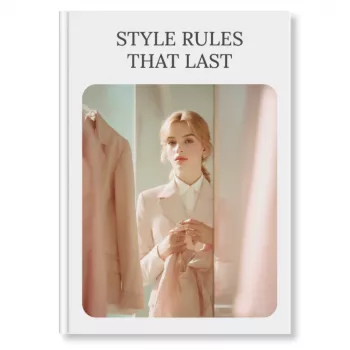
Style Rules That Last eBook: a streamlined reference for daily outfits
If a simple checklist helps keep decisions quick, Style Rules That Last: Timeless Style Rules That Always Work eBook is designed as a repeatable set of principles for building outfits that look polished across seasons. It’s especially useful during a closet refresh—spot gaps, avoid duplicates, and shop with clearer priorities so your wardrobe gets more wearable (not just bigger).
FAQ
How can a wardrobe look timeless without feeling boring?
Use classic foundations—great fit, clean silhouettes, and a neutral base—then add personality through one accent like a signature color, a texture mix, a modern shoe shape, or a consistent accessory.
What are the most important pieces to tailor first?
Start with pant hems, blazer/jacket sleeves, and simple waist shaping where needed. For shoulders, it’s usually best to choose the correct size up front rather than relying on heavy alterations.
How many colors should be in a practical everyday palette?
Most wardrobes run smoothly with 2–3 core neutrals plus 1–2 accent colors. Expand only once the majority of your pieces already mix easily without “orphan” items.








Leave a comment