14.2mm Planar Magnetic IEMs: Detail, Bass, Control
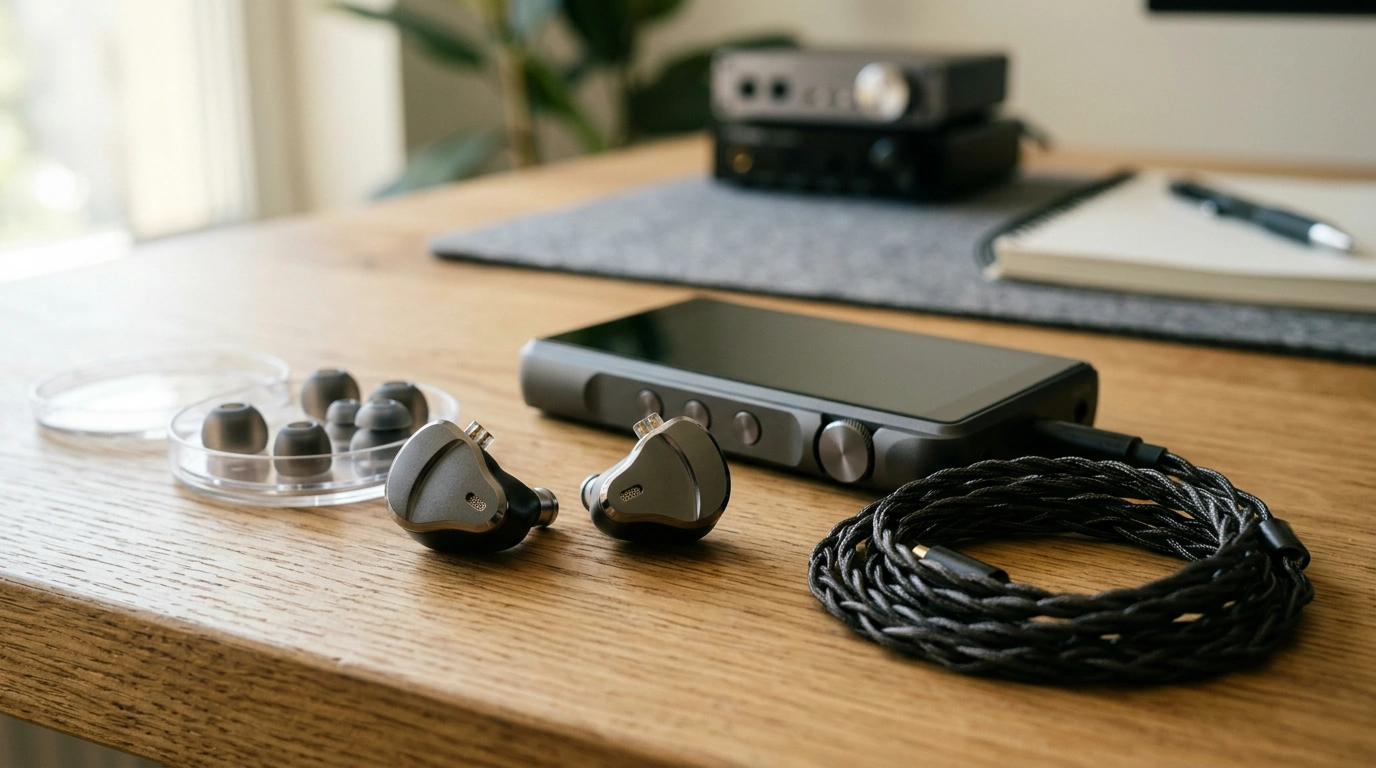
High-Fidelity Planar Magnetic In-Ear Monitors with a 14.2mm Ultra-Thin Driver
Planar magnetic in-ear monitors (IEMs) are known for fast transients, clean layering, and low distortion in a compact, portable form. By combining a 14.2mm ultra-thin planar driver with the consistent seal of an in-ear fit, this style of IEM can deliver high-resolution detail, controlled bass, and stable imaging for everyday listening, stage use, and critical monitoring—without the bulk of full-size headphones. For more guidance, see planar driver | Headphone Reviews and Discussion – Head-Fi.org.
If you’re curious about the underlying driver concept, a helpful high-level reference is Planar magnetic loudspeaker fundamentals, along with general measurement and audio basics from Audio Science Review’s Tech Corner. For further reading, see Acoustic Research AR-H1 Planar Magnetic – Prime Audio Reviews.
What Makes Planar Magnetic IEMs Different
Most IEMs use dynamic or balanced armature drivers. Planar magnetic designs take a different approach: a thin diaphragm is driven more evenly across its surface. In practice, that can translate into a more “composed” sound when the track gets demanding.
- Even diaphragm drive: Because the diaphragm is energized across a wide area, it can help reduce breakup and keep notes clean at higher volumes.
- Speed and separation: Planar IEMs often excel at quick start/stop behavior, making busy passages feel less congested and easier to follow.
- Seal matters: A secure fit is key. Planar IEMs typically rely on a consistent seal to realize bass extension and maintain stable tonal balance.
14.2mm Ultra-Thin Driver: Practical Benefits
A 14.2mm planar driver is relatively large for an in-ear design. When paired with an ultra-thin diaphragm, that size can bring both physicality and finesse—especially with the right ear tips and source.
- Authoritative low-end with texture: The larger diaphragm area can support sub-bass presence while preserving bass “grain” and pitch definition, particularly when the in-ear seal is solid.
- Sharper transients: Ultra-thin diaphragm construction is associated with quick acceleration and braking, which can improve percussion snap and reduce smearing on fast double-kicks, rimshots, and plucked strings.
- Micro-detail retrieval: Subtle cues like reverb tails, room tone, and faint harmonics can become easier to notice, helping recordings feel more dimensional without sounding artificially boosted.
Sound Character to Expect
While tuning varies by model, planar IEMs often share a recognizable presentation: clean edges, organized layering, and a sense of control in the low end.
- Clarity and separation: Vocals, guitars, keys, and synth textures can feel more “sorted,” with clearer placement rather than blending into a single mass during dense choruses.
- Bass control: Low frequencies can sound tighter with less bloom—useful for hearing kick drum attack and bass guitar articulation. When the seal is incomplete, bass may seem lighter than expected.
- Treble behavior: Cymbals and string overtones can come through with crisp edges. Tip choice and a clean source help keep the top end comfortable during long sessions.
Fit, Comfort, and Isolation
Fit is performance with IEMs. The best driver in the world won’t sound right if the seal is inconsistent, especially for planar designs that lean on controlled air movement and stable coupling.
- Use tips to fine-tune sound and comfort: A deeper, secure seal typically boosts sub-bass, improves isolation, and stabilizes imaging. Shallower fits often reduce bass weight and can make treble feel more forward.
- Isolation affects perceived dynamics: Better isolation can make music sound punchier at lower volumes and can help preserve detail in noisy environments like commutes or open offices.
- Prioritize “pressure-free” security: For long listening blocks, aim for a seal that doesn’t create hotspots. Consistent comfort helps keep frequency response consistent across sessions.
Pairing with Phones, Dongles, and Dedicated Players
Planar IEMs can work with everyday devices, but pairing choices can determine whether you get effortless headroom and tight bass—or a flatter, constrained presentation.
- Low-noise output matters: A clean source helps avoid hiss, which is more noticeable with in-ear monitors.
- If it sounds thin or underpowered: When volume feels limited or bass lacks authority, a stronger portable DAC/amp or higher-output player can improve control and macrodynamics.
- Feed it good audio: Lossless or high-bitrate streaming can better preserve spatial cues, subtle ambience, and fine transient detail that planar drivers tend to reveal.
Quick Feature Snapshot
For listeners who value detail retrieval and layering, a planar IEM built around a 14.2mm ultra-thin driver targets the sweet spot between analytic clarity and portable practicality.
| Item | Detail | Why it matters |
|---|---|---|
| Driver type | Planar magnetic | Even diaphragm drive can improve clarity and reduce distortion |
| Driver size | 14.2mm | Supports bass extension and presence without sacrificing speed |
| Form factor | In-ear monitors | Portable critical listening with isolation and stable imaging |
| Best setup focus | Good seal + clean source | Maximizes bass consistency, detail, and comfort |
Shop In-Stock Picks
These in-stock items are available now:
- High-Fidelity Planar Magnetic In-Ear Monitors with 14.2mm Ultra-Thin Driver (USD 158.47)
- Women’s Sheepskin Mules (USD 52.51)
Care and Daily Use Tips
Keeping IEMs performing consistently is mostly about cleanliness, cable habits, and volume discipline.
FAQ
Do planar magnetic IEMs need an amplifier?
Not always, but they often benefit from a clean, higher-output source that provides better headroom and bass control. A quality phone dongle can work well if it reaches your preferred volume without distortion and stays low-noise.
Why does bass change so much when switching ear tips?
Bass depends heavily on a consistent seal. Different tip sizes and materials change insertion depth and isolation, which directly affects sub-bass level, punch, and overall tonal balance.
Are planar IEMs good for mixing and monitoring?
They can be excellent for detail, separation, and transient accuracy, especially when fit is consistent and the source is neutral. It helps to learn their tuning with a small set of reference tracks so decisions translate reliably.















Leave a comment