Folding Camping Wagon with Pull Rod: Buy & Use Guide
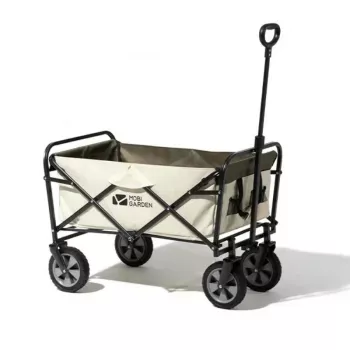
Portable Folding Camping Trolley with Pull Rod: A Simple Way to Move More Gear with Less Effort
A folding utility wagon can make outdoor days noticeably easier by moving bulky gear in one trip—coolers, camp boxes, chairs, and beach bags—without straining your back or juggling multiple loads. A pull-rod camping trolley is especially helpful when you need steady control while starting, stopping, and turning on mixed terrain. Below is what to look for, how to roll smoothly across common surfaces, and how to keep your wagon working trip after trip.
What This Folding Wagon Helps With
- Reduces the number of trips between vehicle, campsite, picnic area, or shoreline.
- Keeps loose items contained so smaller pieces don’t get left behind.
- Handles awkward cargo like folded chairs, shade canopies, and water jugs more safely than hand-carrying.
- Works beyond camping: gardening runs, tailgates, festivals, kids’ sports days, and moving boxes from parking to home.
Key Parts to Look For in a Pull-Rod Utility Wagon
- Frame and joints: A rigid frame with solid hinge points helps prevent wobble under load.
- Pull rod/handle: A comfortable grip and secure locking positions improve control when starting, stopping, and turning.
- Wheels: Wider wheels generally track better on sand, grass, and gravel; tread helps on soft ground.
- Fabric bed: Durable, easy-to-clean material with reinforced corners and a supportive base helps prevent sagging.
- Brakes (if included): Useful on slopes and when loading/unloading.
- Fold mechanism: Should collapse smoothly and stay compact for trunk or garage storage.
Quick Feature Checklist Before Buying
A quick check before checkout can prevent common frustrations—like realizing your “fully packed cooler” is heavier than expected or that your wagon won’t fit in the trunk once folded.
| Feature | Why it matters | What to check before checkout |
|---|---|---|
| Load capacity | Prevents frame strain and unsafe handling | Published maximum load and whether it’s for flat ground or mixed terrain |
| Wheel width and tread | Improves rolling over sand, grass, and gravel | Wheel diameter/width, tread pattern, and axle stability |
| Handle/pull rod control | Easier turning and less wrist fatigue | Lock positions, grip comfort, and secure connection to frame |
| Bed material and base support | Reduces sagging and tears from hard edges | Reinforced seams, corner protection, and a firm base panel |
| Fold and storage | Faster pack-up and less space used | One-person fold, latch/strap to keep closed, folded footprint |
Loading and Packing for Stability
A well-packed wagon rolls straighter, tips less, and protects both your gear and the wagon bed.
- Place the heaviest items low and centered to reduce tipping (cooler or water jugs first).
- Keep sharp edges covered to protect the fabric (wrap stove corners or use a small tote).
- Avoid stacking higher than the side walls when rolling over uneven ground.
- Use soft bags as “buffers” to prevent hard items from shifting and rubbing.
- If carrying mixed items, separate wet/dirty gear (firewood, muddy shoes) from food and clean textiles.
For campground etiquette and low-impact routines while staging gear, it also helps to follow established guidance like the Leave No Trace Seven Principles.
Rolling Smoothly on Different Surfaces
- Sand: Pull slowly with a steady pace; wider wheels help float rather than dig in—reduce load if the wagon bogs down.
- Grass and dirt: Keep weight balanced; watch for hidden holes that can catch a wheel and tip a tall stack.
- Gravel: Smaller stones increase vibration—tighten straps and keep fragile items cushioned.
- Curbs and roots: Approach at an angle and lift slightly on the handle to help the front wheels climb.
- Slopes: Keep the load light and controlled; park sideways only if stable and use brakes if available.
If you’re camping on managed public lands, general planning and safety reminders from the National Park Service camping guidance can help you prep for site rules, weather, and terrain.
Folding, Transport, and Storage Tips
Care and Maintenance That Extends Lifespan
When a Folding Wagon Is the Right Tool (and When It Isn’t)
Product Option: Portable Folding Camping Trolley with Pull Rod
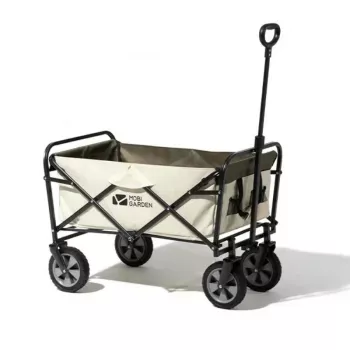
The Portable Folding Camping Trolley with Pull Rod – Outdoor Utility Wagon is a compact, foldable utility wagon built to move outdoor gear efficiently while keeping setup and pack-up straightforward. It’s a practical match for hauling coolers, chairs, tents, and campsite bins from vehicle to site with controlled pull-rod handling.
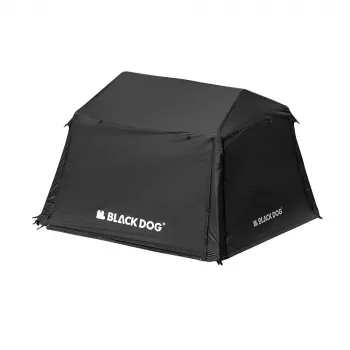
For a smoother loadout, pair the wagon with smart packing habits: keep heavy items centered, cushion fragile items to reduce vibration on gravel, and separate wet gear so cleanup is faster at the end of the day. If you’re building a car-camping setup, it also pairs naturally with shelter that sets up quickly, like the Automatic Quick-Open Camping Tent with Sun Protection & Spacious Cabin, so your “arrival routine” is more efficient from the first trip to the last.
FAQ
How much weight can a folding camping wagon carry?
Use the manufacturer’s rated load capacity as the maximum for flat ground, then reduce the load for sand, gravel, or steep slopes. Keeping weight low and centered helps prevent tipping and makes braking or stopping more controlled.
Do utility wagons work on sand at the beach?
They can, especially with wider wheels and lighter loads. Pull steadily, avoid sharp turns, and reduce cargo if the wheels start to dig in; packed sand near the waterline is usually easier than dry, loose dune sand.
How do you clean and store a folding wagon after camping?
Shake out debris, wipe or rinse off dirt and salt, let it dry fully, then fold and store it in a ventilated area. Periodically check wheels and hinge points for grit buildup so the fold mechanism stays smooth.














Leave a comment