42mm Automatic Watch: Sapphire Crystal & 10ATM Guide
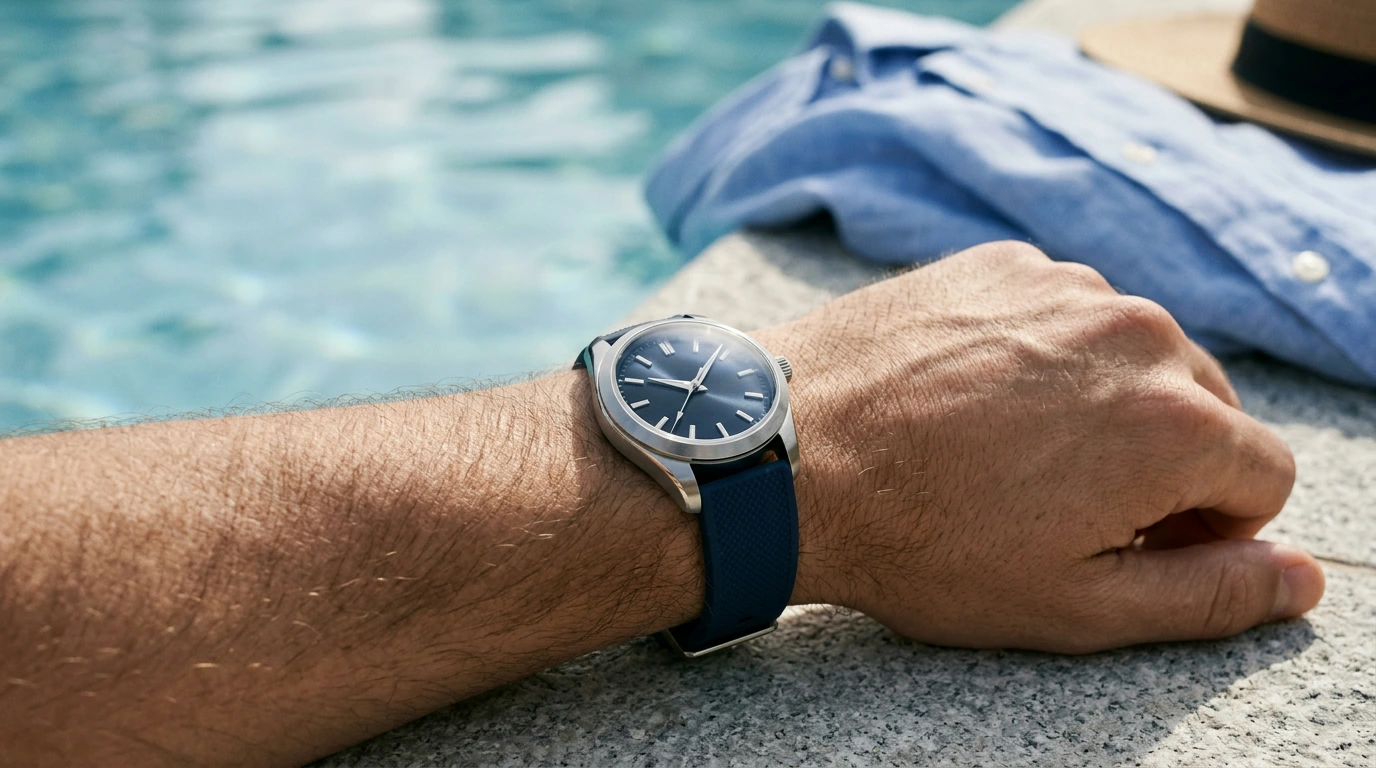
42MM Automatic Mechanical Watch with Sapphire Crystal and 10ATM Water Resistance
A 42mm case size, automatic mechanical movement, sapphire crystal, and 10ATM water resistance combine into a daily-wear watch built for clarity, durability, and confidence around water. This guide breaks down what each feature means in real use, what to expect from an automatic movement, and how to keep the watch performing and looking sharp over time. For more guidance, see Watch – Wikipedia.
What Makes This Watch Stand Out
- 42mm case size offers a modern, balanced presence that works with casual and business looks.
- Automatic mechanical movement runs from wrist motion—no battery swaps required.
- Sapphire crystal helps resist scratches and keeps the dial looking crisp with long-term wear.
- 10ATM water resistance is designed for swimming and everyday water exposure when the crown is properly secured.
- Luxury-forward design focused on clean legibility and a refined wrist profile.
Shop In-Stock Picks
If you’re ready to upgrade your daily rotation, these in-stock items are available now: For further reading, see Modello Uno U1S-PD6-B Limited Edition – ProDiver.
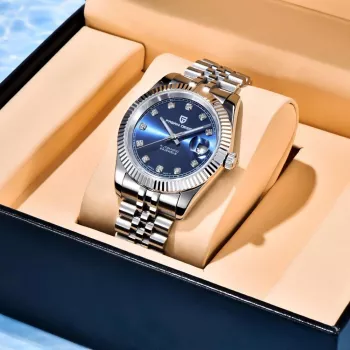
- 42MM Luxury Automatic Mechanical Watch with Sapphire Crystal & 10ATM Waterproof
- Women’s Color-Blocking Letter Embroidery Oversized Sweatshirt
- Women’s Sheepskin Mules
Key Specifications at a Glance
Use the table below to confirm fit, durability, and suitability for water activities. Specs are most helpful when comparing watches in the same price range and size class.
Specifications Overview
| Feature | Detail | Why It Matters |
|---|---|---|
| Case size | 42MM | A versatile diameter with strong wrist presence |
| Movement | Automatic mechanical | Powered by motion; traditional engineering feel |
| Crystal | Sapphire crystal | High scratch resistance for daily wear |
| Water resistance | 10ATM (100m) | Suitable for swimming and surface water use |
| Availability | In stock | Ready to ship while supplies last |
Understanding Automatic Mechanical Movement
Automatic mechanical watches are powered by a tightly wound mainspring, with a weighted rotor inside that spins as your wrist moves. Over the course of a normal day, that motion helps maintain the power reserve—so the watch stays running without a battery.
- Wearing habits affect accuracy. Mechanical watches can gain or lose a little time depending on how they’re worn and stored. Occasional time adjustment is normal.
- Expect a restart after rest. If the watch sits unused long enough, it may stop. Wearing it for a short period typically restores power; some designs also support gentle manual winding.
- Servicing is part of ownership. Oils and lubricants age. Periodic service helps keep performance consistent and reduces long-term wear on internal components.
Why Sapphire Crystal Matters for Everyday Wear
A watch crystal takes constant abuse: brushing against desk edges, jacket zippers, bag hardware, and the random bumps that happen in a normal week. Sapphire crystal is prized because it’s significantly harder than typical mineral glass, helping it resist the fine scratches that can haze a dial over time.
- Better long-term clarity. When the crystal stays cleaner-looking, the dial keeps that “new watch” crispness longer.
- Less worry during daily contact. Sapphire is still not invincible—sharp impacts can chip a crystal—but it’s highly resistant to everyday scuffing.
- Simple cleaning routine. Use a microfiber cloth for fingerprints. After exposure to saltwater or chlorinated water, rinse with fresh water and dry to prevent residue buildup.
For a deeper materials comparison, the Mohs hardness scale overview from Encyclopaedia Britannica helps explain why sapphire performs so well against scratching in typical conditions.
10ATM Water Resistance: What It’s Built For
10ATM (often marked as 100m or 10 bar) is a practical rating for everyday water exposure and common activities like swimming. It’s not just about how “deep” you go—water resistance depends on seals, crown security, and real-world pressure changes.
- Designed for everyday water contact. Rain, handwashing, pool time, and surface water use are generally within scope when the crown is properly secured.
- Crown position matters. An unsecured crown is one of the fastest ways to compromise water resistance. Make it a habit to check it before water exposure.
- Avoid heat and steam. Hot showers, saunas, and rapid temperature changes can stress gaskets and increase condensation risk.
- Rinse after the ocean. Salt residue can build up around the crown and case seams. A quick rinse with fresh water and a dry-down helps preserve seals and finish.
Water resistance is defined through standardized testing approaches; ISO 22810 is the core reference used across the watch industry. For a practical, real-life explanation of what ratings do (and don’t) mean, see Hodinkee’s guide to watch water resistance.
Fit and Wearing Experience with a 42mm Case
A 42mm case size is a sweet spot for many wrists: large enough for modern presence and quick legibility, without going to an oversized, attention-dominating profile for most wearers. The dial typically has more room, which can make a difference when checking the time at a glance on the move.
Care, Maintenance, and Longevity Tips
When This Watch Is a Strong Choice
FAQ
What does 10ATM water resistance mean for real use?
10ATM (about 100m/10 bar) is commonly considered suitable for swimming and everyday surface water exposure, as long as the crown is properly secured and seals are in good condition. Avoid hot showers/saunas and remember gaskets can age over time.
Does an automatic watch need a battery or charging?
No battery is required; it’s powered by a mainspring that’s wound by wrist motion (and sometimes manual winding). If it sits unworn long enough it may stop, and it may need occasional time setting like most mechanical watches.
Is sapphire crystal really more scratch-resistant than mineral glass?
Yes—sapphire is generally harder and more scratch-resistant than mineral glass in normal wear. It can still chip with a sharp impact, so cleaning with a soft cloth and avoiding hard knocks helps keep it looking its best.












Leave a comment