11L Self-Cleaning Litter Box: Odor Control, Splash Guard
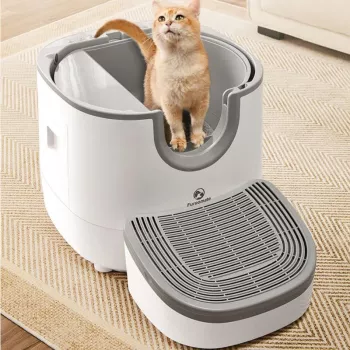
Automatic Self-Cleaning Cat Litter Box With 11L Capacity, Odor Control, and Splash-Proof Design
An automatic self-cleaning litter box can cut down on daily scooping, keep odors more contained, and help maintain a cleaner area around the box—especially in busy homes or smaller spaces. The combination of an 11L litter capacity, odor-control features, and a splash-proof structure is aimed at the most common pain points: lingering smells, scattered litter, and mess on nearby floors and walls. The sections below explain what those features typically mean in day-to-day use, plus a practical setup routine to help cats adjust smoothly.
What This Self-Cleaning Litter Box Is Designed to Solve
- Reduces manual scooping by automatically separating clumps from clean litter after use.
- Helps limit lingering smells through enclosed design elements and dedicated odor-control components.
- Minimizes mess around the box with a splash-proof structure that helps contain scatter and urine spray.
- Supports more consistent cleanliness, which can encourage regular litter box use.
Keeping the box consistently clean matters for comfort and habits. If a cat starts avoiding the box, it can quickly turn into a household-wide problem. For general cat-care best practices (including hygiene and handling waste safely), refer to resources from the CDC and the ASPCA.
At-a-Glance Specs and Practical Implications
| Feature | What it means at home | Why it matters |
|---|---|---|
| 11L capacity | Room for a stable litter bed and automated sifting | Fewer top-ups and more consistent clump formation |
| Odor control | Better containment of smells between clean cycles | Improves comfort in apartments and shared spaces |
| Splash-proof design | Helps reduce spray/sidewall mess and scatter | Less floor cleanup; cleaner surrounding area |
| Automatic cleaning cycle | Separates waste after use | Less daily scooping and fewer odor spikes |
Featured option
For a dedicated automated solution, see the Automatic Self-Cleaning Cat Litter Box – 11L Capacity, Odor Control, Splash-Proof Design.
How Automatic Cleaning Typically Works
- After a cat uses the box, a short delay usually allows clumps to firm up before the mechanism runs.
- A sifting or rotating action separates clumps from clean litter and directs waste into a dedicated compartment.
- Keeping the litter type and fill level consistent helps the separation process remain reliable.
- Noise and motion can be the main adjustment hurdle for cautious cats; gradual introduction usually helps.
Many day-to-day problems come from two simple issues: filling past the recommended line (which can overload the sifting action) or using litter that doesn’t clump firmly. When clumps fall apart, the box can’t separate “clean” from “used” as effectively, which can lead to smell and residue build-up.
Capacity: What 11L Can Mean for One Cat vs. Multiple Cats
- For a single cat, 11L capacity often translates into fewer full refreshes when paired with regular waste-bin emptying and periodic top-ups.
- For multi-cat homes, the cleaning frequency and waste compartment size often become the limiting factors rather than the litter bed alone.
- Litter performance (clumping strength, dust level, moisture control) strongly affects how well the box stays clean between maintenance sessions.
- A practical routine: check litter level daily at first, then shift to a steady top-up schedule once usage patterns are clear.
In practice, “capacity” is less about how long you can ignore the box and more about how stable the litter bed stays. A stable depth helps clumps form cleanly, reduces wet spots that smear, and supports smoother cycling. If the household has multiple cats, consider whether a second box is needed to meet typical litter box management guidance; the AVMA offers pet-owner resources that can help frame overall care routines.
Odor Control: What Helps (and What Doesn’t)
- Odor control works best as a system: prompt waste removal + sealed waste area + suitable litter + regular wipe-downs.
- Clumping litter that binds urine efficiently can reduce ammonia odor, especially when the box cycles soon after use.
- Even strong odor-control features won’t compensate for an overfull waste compartment; emptying on schedule is essential.
- Routine cleaning of contact surfaces (where urine residue can build) is often the biggest factor in keeping smells down long term.
If odors ramp up suddenly, it’s usually a maintenance signal rather than a “bad product” problem. Check whether the waste bin is full, whether litter is too high for the mechanism, or whether a sticky clump is trapped where it shouldn’t be. A quick wipe of splash zones and corners can make a noticeable difference because even a thin film of residue will hold smell.
Splash-Proof Design: Why It Matters for Real-World Mess
Setup and First-Week Routine
Maintenance Checklist for Cleaner Operation
Also in stock
If you like staying comfortable during cleanup and pet-care chores, the Women’s Color-Blocking Letter Embroidery Oversized Sweatshirt is another in-stock option to browse.
FAQ
How often does the waste compartment need to be emptied?
For one cat, many households can empty it every few days to about once a week, depending on how much your cat uses the box and how well the litter clumps. In multi-cat homes, it may need emptying every 1–3 days. Empty it before it overfills to keep odor control working effectively.
What type of litter works best with an automatic self-cleaning box?
Clumping litter that forms firm, cohesive clumps and produces low dust is typically the most reliable for automatic sifting. Follow the unit’s guidance and avoid non-clumping or overly lightweight litters if they break apart or interfere with separation.
Will a splash-proof design prevent all tracking and mess?
It can significantly reduce spray and sidewall mess, and it can help limit scatter, but it won’t eliminate tracking from paws. Pairing the box with a litter mat at the exit and doing quick wipe-downs near the entrance helps keep the surrounding area cleaner.












Leave a comment